Pre and post-workout nutrition is one of those topics that's been overcomplicated by the supplement industry to the point where most people either overthink it into paralysis or dismiss it entirely. The truth sits somewhere much simpler in the middle, and getting it right makes a measurable difference to how hard you can train, how well you recover, and how quickly your results accumulate. Here's what our coaches actually tell clients.
Short answer
- What you eat before training determines how hard you can actually work
- Fasted training is fine for some goals but not ideal for hard strength sessions
- The post-workout window matters most for muscle repair
- Carbohydrates around training are not the enemy
- Supplements are the last thing to think about, not the first
1. What you eat before training determines how hard you can actually work
Training on completely empty, or with the wrong food too close to a session, means you're going into the session under-fuelled. For most people training at moderate to high intensity, having a meal containing carbohydrates and protein one to two hours before training gives the body the fuel it needs to perform properly. The client who trains well-fuelled and the client who trained fasted through their lunch break are not getting the same quality of session, regardless of how hard they both think they're working.
2. Fasted training is fine for some goals but not ideal for hard strength sessions
If your training is low-intensity cardio and fat loss is the primary goal, fasted morning sessions can work reasonably well for some people. But if you're trying to build strength, preserve muscle, and train with genuine intensity, going in fasted consistently tends to compromise performance and recovery in ways that outweigh any marginal fat-burning benefit. Our coaches assess this individually rather than applying one blanket rule.
3. The post-workout window matters most for muscle repair
The period after a training session is when your muscles are most primed to absorb protein and begin the repair and growth process. Getting a protein-rich meal in within one to two hours of finishing training isn't the magic anabolic window it was once marketed as, but it is a genuinely useful opportunity that's worth taking. Clients who consistently eat a proper post-workout meal recover faster and perform better in subsequent sessions than those who train and then get around to eating whenever.
4. Carbohydrates around training are not the enemy
A lot of clients come to us having already cut carbs significantly, including around training, because they've heard carbs cause fat gain. Carbohydrates are the body's most efficient fuel source for intense exercise, and having them available before and after training means you can train harder and recover faster. Total calorie intake determines fat loss, not the timing of carbohydrates around a workout.
5. Supplements are the last thing to think about, not the first
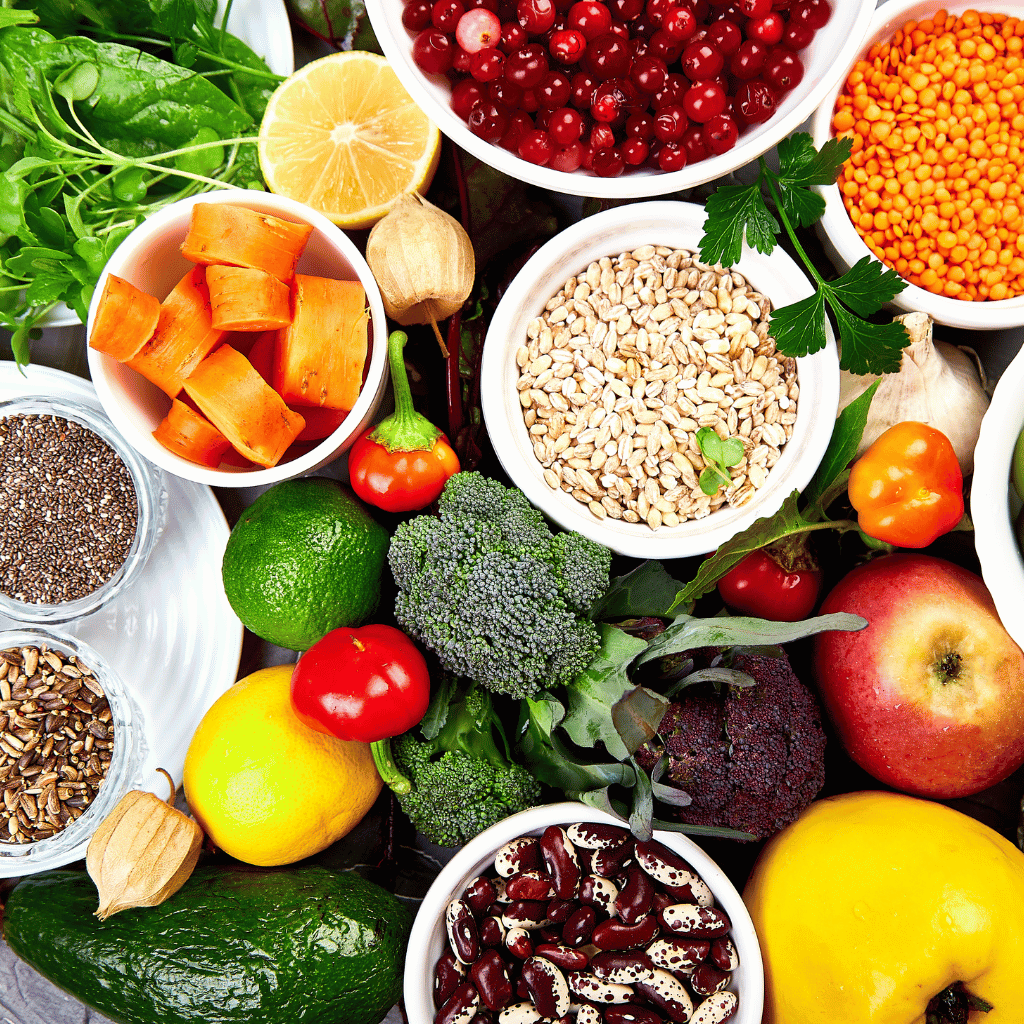
Before pre-workouts, BCAAs, protein powders, and everything else the supplement industry sells aggressively in Dubai's fitness community, real food does the job. Whole food meals built around protein and carbohydrates will outperform most supplements in terms of actual impact on performance and recovery. Supplements have a place, but they supplement a working nutrition plan, they don't replace one.
Getting your training nutrition right is simpler than most content makes it sound. Book a complimentary consultation with our coaches and let's set up a nutrition plan that actually fuels your sessions properly.
Frequently asked questions
What should I eat before training?
A meal with protein and carbohydrates 60 to 90 minutes before, or a lighter carbohydrate and protein snack 30 minutes before if you train early.
Is fasted training bad?
It is fine for easy cardio and for some people's routines, but it usually costs you performance on hard strength sessions, which means less stimulus and slower results.
How soon after training should I eat?
Within about 90 minutes, with 30 to 40g of protein. Total daily protein still matters most, but the post session meal supports repair and consistency.
Do I need supplements around training?
No. Whole food covers almost everything. Protein powder and creatine are convenient and well evidenced, but they are the last five percent, not the first.
Train with a Project Reshape coach in Dubai
- Free consultation: project-reshape.com/contact
- Private training at our Dubai studios: private coaching.
- Related reading: protein needs fat loss muscle, breakfast fat loss coaches, cutting carbs slowing results.