Ask five different people in a Dubai gym how much protein you need and you will get five different answers, most of them wrong, and a few of them genuinely counterproductive. Protein is probably the most discussed and most misunderstood part of nutrition, especially for people trying to lose fat and build muscle at the same time. Here is what the research actually says, and how our coaches apply it with real clients.
Short answer: how much protein do you need per day?
1.6 to 2.2 grams of protein per kilogram of bodyweight per day, spread across 4 to 5 meals of 30 to 40g each. Higher end of the range if you are in a fat loss phase or over 40.
The 5 things about protein most people get wrong
1. The old "0.8g per kg" number is too low
That figure was set as the minimum needed to avoid muscle loss in sedentarypeople, not as a target for someone lifting weights and trying to change body composition. For anyone training with intention, the actual useful range is 1.6 to 2.2g per kg of bodyweight, and staying toward the higher end matters even more when you are in a calorie deficit.
2. Protein protects your muscle in a deficit
When you are eating in a deficit, your body has the option of burning fat or muscle for fuel. Without enough protein, it will happily burn both. Keeping protein high forces your body to preserve the muscle you have built while pulling from fat stores instead, which is what gives you the lean, defined look rather than just getting smaller.
3. Protein keeps you fuller for longer
Of the three macronutrients, protein has the highest thermic effect (your body burns more calories processing it) and is the most satiating. A high-protein diet genuinely makes eating less feel less miserable, which matters a lot for actually sticking to a plan.
4. Spreading protein across the day matters as much as the total
Your body can only use so much protein for muscle building in a single sitting, roughly 30 to 40 grams per meal before the excess is used for energy. Hitting 180g of protein in two meals is not the same as spreading it across four or five.
5. Most people eat far less protein than they think
A typical "healthy" meal, chicken, rice, vegetables, sounds high protein but often comes in at 25 to 30g total, not the 40 to 50 you need. Hitting the target consistently usually requires being deliberate about it, not just eating "enough" chicken.
Daily protein targets by bodyweight
| Bodyweight | Daily protein (1.6g/kg) | Daily protein (2.2g/kg) | Per meal (x4) |
|---|---|---|---|
| 60 kg | 96 g | 132 g | 24 to 33 g |
| 70 kg | 112 g | 154 g | 28 to 38 g |
| 80 kg | 128 g | 176 g | 32 to 44 g |
| 90 kg | 144 g | 198 g | 36 to 49 g |
| 100 kg | 160 g | 220 g | 40 to 55 g |
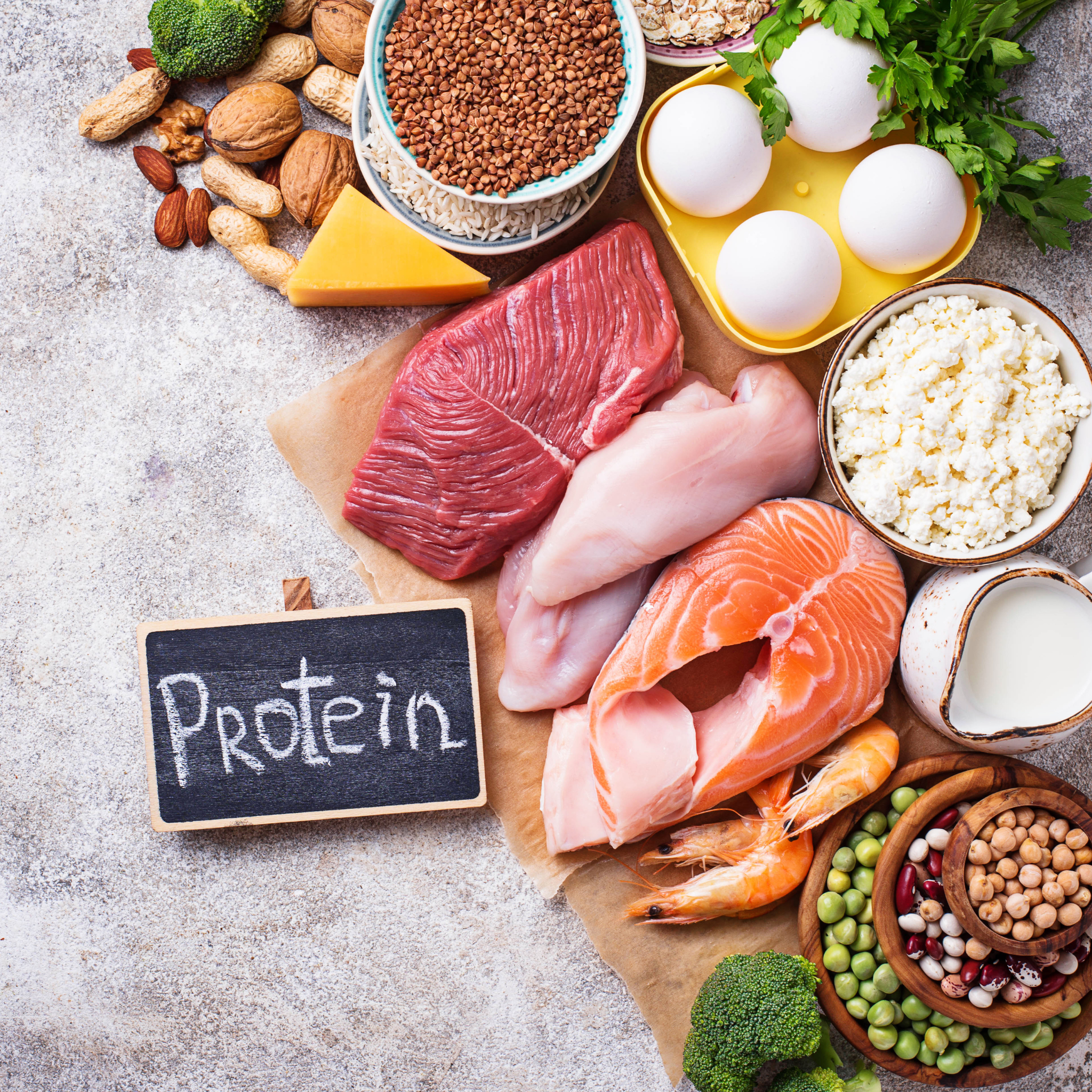
What 40g of protein actually looks like
- 150g grilled chicken breast
- 180g lean beef
- 200g Greek yoghurt + 1 scoop whey
- 6 large eggs
- 200g salmon fillet
- 250g cottage cheese
Image suggestion: a high-protein plate, grilled chicken, quinoa, greens. Alt text: "High-protein meal built for a Dubai fat loss client by a Project Reshape coach."
Protein is genuinely the one lever that makes the biggest difference to body composition results, and it's also the one most consistently underestimated.
The honest takeaway
Set your daily protein target based on your bodyweight, split it across 4 to 5 meals of 30 to 40g each, and build every plate around a protein source first. That single habit will change your body composition faster than any other nutrition change you can make.
Frequently asked questions
How much protein do I need per day to lose fat and build muscle?
For anyone training seriously, 1.6 to 2.2g of protein per kilogram of bodyweight per day. Sit toward the higher end when you are in a calorie deficit to protect muscle.
Is 30g of protein per meal enough?
For most people, 30 to 40g per meal is the useful range for stimulating muscle protein synthesis. Above that in a single sitting, the extra is largely used for energy rather than muscle building.
Can I eat too much protein?
For healthy adults with normal kidney function, intakes up to 2.5g per kg have shown no negative health effects. The bigger risk is under-eating protein, not over-eating it.
What are the best protein sources for Dubai clients?
Chicken, lean beef, eggs, Greek yoghurt, cottage cheese, fish, and a good whey isolate. All are widely available at Dubai supermarkets and easy to build meals around.
Do I need protein powder to hit my target?
Not strictly. Most clients can hit their protein target from whole food if meals are structured properly. Protein powder is a convenience tool for travel, post-training, or busy days.
Does high protein help with fat loss even without cutting calories?
Yes, indirectly. High protein has a higher thermic effect (your body burns more calories digesting it) and is more satiating, which naturally lowers overall intake.
Book a nutrition consultation in Dubai
Book a complimentary session with our coaches and let's set your numbers properly built around your body, your training, and your life in Dubai.
- Book a complimentary consultation: project-reshape.com/contact
- WhatsApp our team for a faster reply during UAE hours.
- Related reading: Dubai TDEE calculator, weight loss coaching in Dubai, and breakfast for fat loss.