
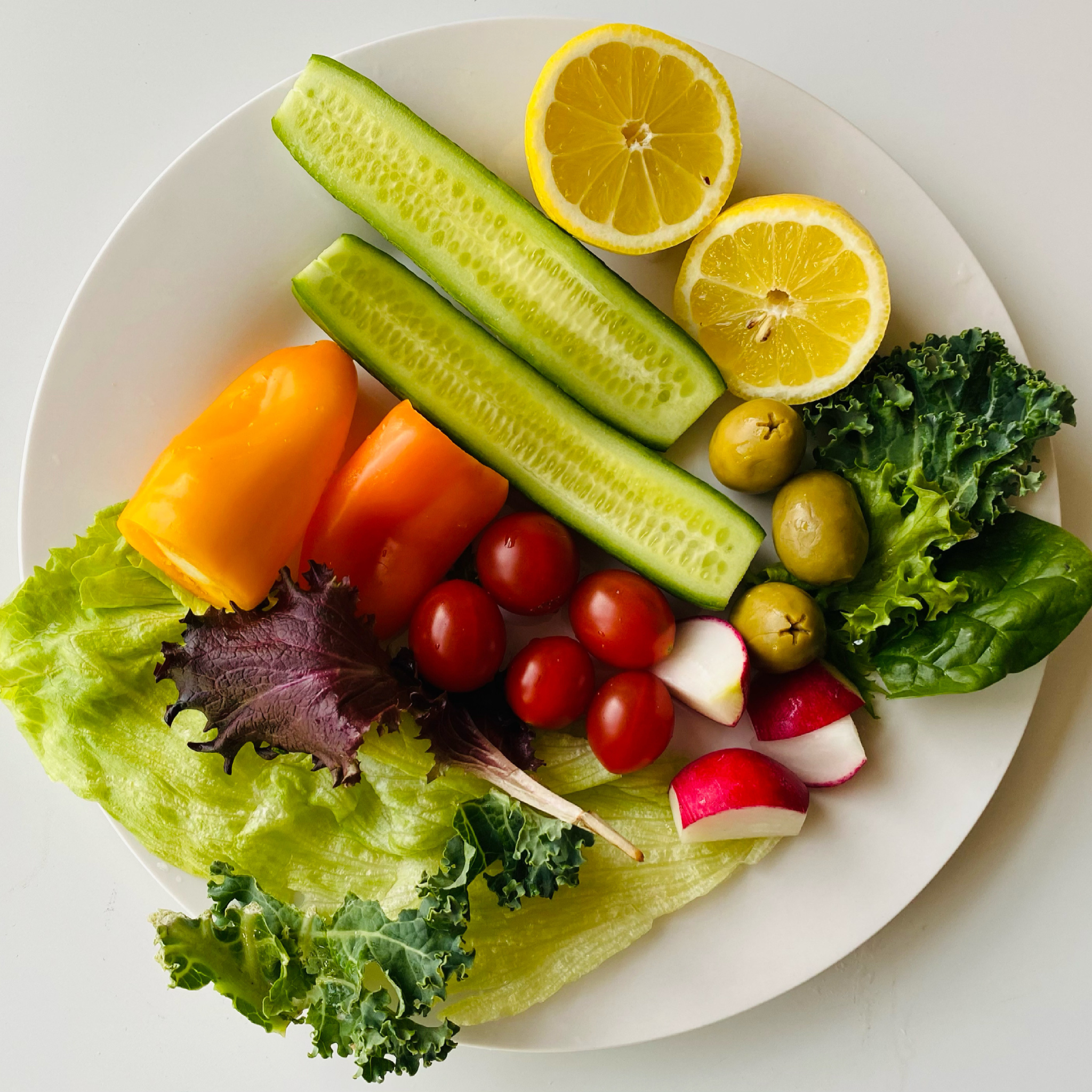
This is one of the most common things we hear from new clients walking into our Dubai studios: "I eat really well, I train regularly, and nothing is changing." And the frustrating part is, they are usually telling the truth. They genuinely are eating well. The problem is not honesty. It is that eating healthy and eating in a way that produces fat loss are two completely different things, and most people do not realise that until someone sits down and shows them the numbers.
Short answer: why is healthy eating not causing fat loss?
You are almost certainly eating at or above maintenance calories, even on clean food. Fat loss only happens in a controlled calorie deficit. Healthy choices, stress, sleep and portion sizes all interact, but the deficit is non-negotiable.
The 5 real reasons clean eating stops working
1. Healthy food still has calories, and they add up
Avocado, brown rice, olive oil, mixed nuts, granola, fresh juices, oat-milk lattes, all genuinely good foods, all calorie-dense enough to push you well over maintenance without trying. A handful of mixed nuts is around 200 calories. A "healthy" smoothie from most Dubai cafes can easily hit 400 to 500. None of that is bad food. It is just food that adds up faster than most people realise.
2. You are underestimating intake by 20 to 50 percent
Studies consistently show people underestimate their daily calorie intake by 20 to 50 percent without meaning to. Cooking oils, sauces, a bite of something between meetings, two lattes with oat milk, none of it feels like "eating," but every calorie still counts.
3. Fat loss needs a deficit, not just clean choices
Your body does not reward food quality with fat loss. It responds to energy balance. You can eat the cleanest possible diet and still be at maintenance if portions are not in check. Clean eating is a brilliant foundation, but without a controlled deficit on top of it, the scale is not going to move.
4. Stress and poor sleep are quietly sabotaging you
Chronic stress, long commutes, and poor sleep, all extremely common in Dubai, elevate cortisol, which tells your body to hold onto fat (particularly around the midsection) and drives cravings for high-calorie food. You can be doing everything right with food and training and still stall if you are running on five hours of sleep.
5. Tracking for two weeks changes everything
Most clients who come to us convinced they are eating at a deficit discover within the first two weeks of proper tracking that they are actually at maintenance or above. It is not a judgment, it is data. Once you have the data, you can fix the right thing instead of guessing.
"Healthy" food vs actual calorie load
| Meal | Feels like | Actual calories |
|---|---|---|
| Acai bowl with granola & nut butter | Clean breakfast | 650 to 850 |
| Oat-milk latte (large) | Coffee | 200 to 260 |
| Handful of mixed nuts | Snack | 200 to 300 |
| "Green" smoothie | Vegetables | 350 to 550 |
| Grilled salmon poke bowl | Lean lunch | 700 to 950 |
| Two tablespoons olive oil (cooking) | Invisible | 240 |
What our coaches change first
- Set a real maintenance number based on your bodyweight, activity and step count, not a generic calculator.
- Pull the deficit to 300 to 600 calories, no more, so training and sleep don't collapse.
- Anchor 30 to 40g protein at every meal to protect muscle and blunt hunger.
- Track for 14 days, long enough to see the pattern, short enough to feel doable.
- Fix sleep and stress in parallel, not after, they change the outcome as much as the food does.
Image suggestion: a coach walking a client through a food log on an iPad. Alt text: "Dubai personal trainer reviewing a fat loss client's food tracking data in a private studio."
Eating healthy is a great start. It just isn't the finish line on its own. Fat loss needs structure on top of good habits.
The honest takeaway
If you have been eating well and training hard and still not losing fat, the answer is almost never "eat cleaner." It is "measure honestly, cut the right amount, protect protein, fix sleep." That is exactly what our coaches build with every Dubai client.
Frequently asked questions
Why am I eating clean but not losing fat in Dubai?
Almost always because clean food is still calorie-dense and portions add up. Nuts, olive oil, granola, oat-milk lattes and 'healthy' smoothies routinely push people into maintenance or a surplus without them noticing. Fat loss needs a controlled deficit, not just clean choices.
How many calories under maintenance do I actually need to lose fat?
For most Dubai clients, 300 to 600 calories below maintenance produces steady fat loss of 0.4 to 0.8kg per week without wrecking energy, sleep or training performance. Aggressive cuts backfire within weeks.
Do I need to track my food to lose fat?
Not forever, but for the first 2 to 4 weeks yes. Tracking is the fastest way to see where the real gap is between what you think you eat and what you actually eat. Most clients discover a 500 to 900 calorie difference.
Can stress and poor sleep stop fat loss even if I eat right?
Yes. Chronic stress and 5 to 6 hours of sleep raise cortisol, drive cravings, and push the body to hold body fat around the midsection. Fixing sleep often produces more visible change in a month than changing training does.
Are healthy Dubai cafes making it harder to lose fat?
They can. A speciality coffee, an acai bowl and a 'clean' wrap can easily add 1,200 to 1,600 calories. Nothing is 'bad', it just needs to fit inside your target for the day.
Do I need a personal trainer to lose fat in Dubai?
Not strictly, but a coach shortens the timeline dramatically. Our Dubai coaches set your numbers, structure the training, and adjust weekly so you are not guessing why the scale is not moving.
Book a fat loss consultation in Dubai
Book a complimentary consultation with our team and let's find out exactly what is standing between you and the results you have already been working for.
- Book a complimentary consultation: project-reshape.com/contact
- WhatsApp our team for a faster reply during UAE hours.
- Related reading: weight loss coaching in Dubai, Dubai TDEE calculator, and breakfast for fat loss.