
Short answer: most desk-related back discomfort comes from weak, underused muscles, not from a damaged spine. Massage and stretching relieve the symptoms for days. Progressive strength training, especially hip hinges like the Romanian deadlift and structured core work, changes the cause over weeks. Use both if you like, but understand which one is the repair and which one is the painkiller. And if your pain is severe, persistent or radiates down a leg, see a doctor or physiotherapist before any of this.
What ten hours of sitting actually does
Your body adapts to what you do most. Ten or more hours a day in a chair teaches it a specific set of adaptations:
- Glutes that switch off, because they are never asked to work.
- Hip flexors held short all day, tugging the pelvis and lower back out of position.
- A core that never braces, so the spine absorbs loads it was never meant to carry alone.
- Upper back and neck muscles locked in one position, stiffening into the shape of your screen.
The ache you feel at 6pm is the bill for all of this. It is a strength and movement problem wearing a pain costume.
Why the relief cycle never ends
Massage, stretching and foam rolling all have their place. They reduce tension, improve how you feel and can be genuinely useful. But notice the pattern: relief for two or three days, then the same ache returns, because nothing about the cause changed. The muscles supporting your spine are exactly as weak after the massage as before it. You are renting comfort, not buying it.
The strength approach, in order
- Get assessed first. A coach or clinician should check how you move before loading you. Pain with red flags, such as numbness, radiating pain or pain after an injury, goes to a doctor first, always.
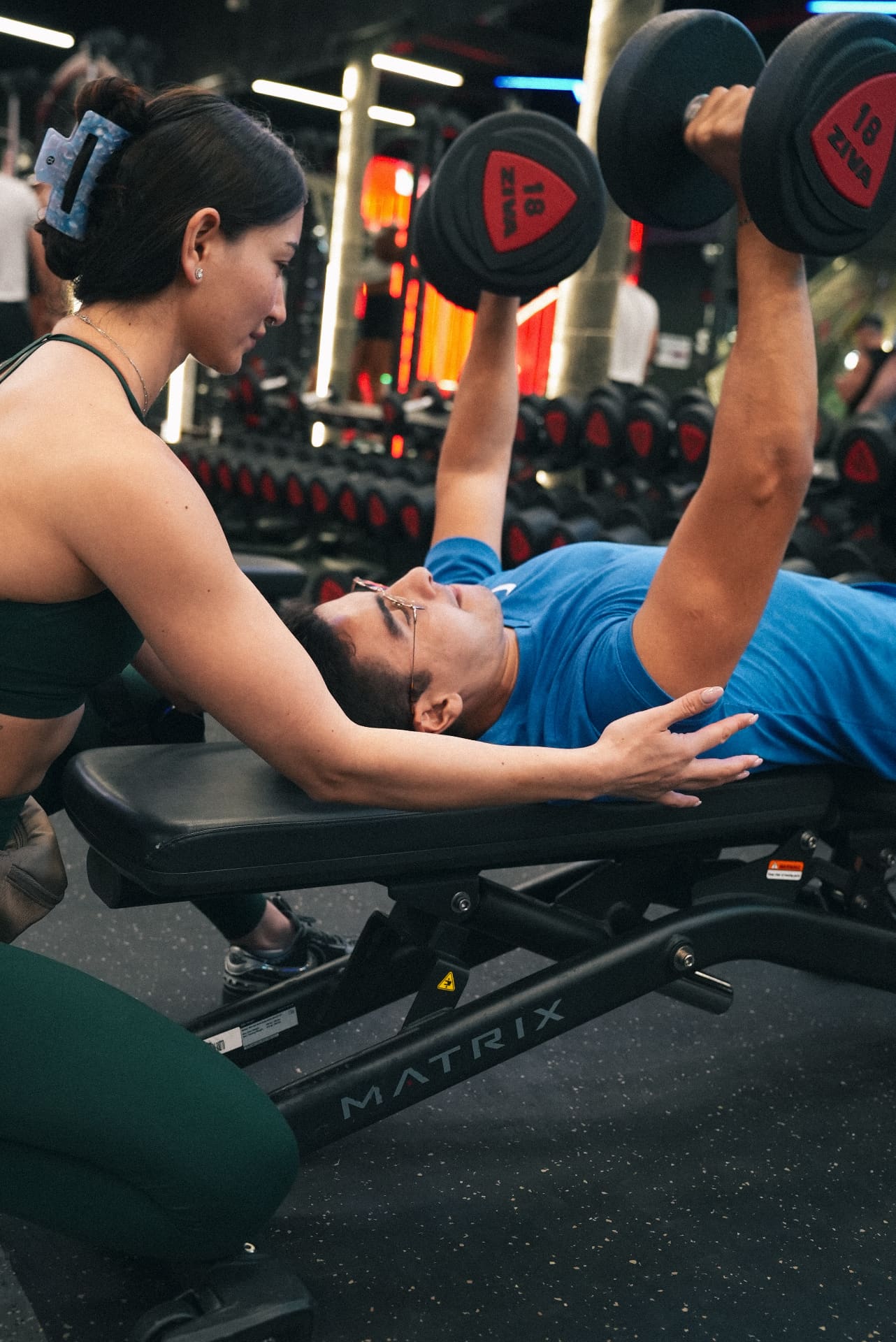
- Relearn the hip hinge. The Romanian deadlift pattern teaches you to move from the hips instead of the lower back. It starts light, sometimes with a stick or a kettlebell, and earns weight over weeks.
- Build the posterior chain. Glute bridges, hip thrusts, RDLs and rows strengthen the muscles that sitting switches off.
- Train the core to brace, not to crunch. Planks, side planks, dead bugs and carries teach the midsection to stabilise the spine under load, which is its actual job.
- Progress slowly and consistently. Two or three sessions per week, loads rising gradually, for months rather than weeks.
What a week of repair looks like
| Element | Frequency | Examples |
|---|---|---|
| Strength sessions | 2 to 3 per week | Hinge, squat, push, pull, carry |
| Core bracing | Inside every session | Planks, dead bugs, Pallof presses |
| Movement breaks | Every 45 to 60 minutes at the desk | Stand, walk, 10 hip hinges |
| Daily steps | Every day | 7,000 to 10,000, spread across the day |
The desk habits that multiply the results
- Change position often. The best posture is the next posture.
- Stand for calls. Most professionals can add an hour of standing a day without buying anything.
- Raise your screen to eye level. Your neck carries your head's weight all day; stop making it carry it at an angle.
- Walk after lunch. Ten minutes aids both your back and your blood sugar.
For the broader picture, read our guides on fixing posture with strength training and warming up properly.
How we coach it at Project Reshape
Most of our clients arrive with a desk, a back and a history of temporary fixes. Every programme starts with a movement assessment at your complimentary session, and hinge and core progressions are built in from week one, at loads your back earns rather than endures. Where pain needs clinical input, we tell you and you see a physiotherapist first. That honesty is part of the programme.
Frequently asked questions
Can strength training help desk-related back pain?
For many people, yes. Strengthening the glutes, hamstrings, back and core builds the support your spine loses during long sitting hours. Always get persistent or severe pain checked by a doctor or physiotherapist first, then build strength around their guidance.
Why do massages only help for a few days?
Massage relieves tension and symptoms, which is valuable, but it does not change the cause: muscles too weak to support your posture for ten hours a day. Relief without strengthening means the tension keeps coming back.
Are deadlifts safe if my back hurts?
It depends on the cause of the pain, which is why assessment comes first. For many desk-related cases, properly coached hip hinge work, starting light and progressing slowly, is exactly what rebuilds a resilient back. Never self-prescribe loaded movements while in acute pain.
How long until training makes a difference?
Most people feel meaningful improvement in four to eight weeks of consistent, well-coached strength work, with posture and comfort continuing to build over months. Consistency matters more than intensity at the start.
Next step
Ready to fix the cause instead of renting relief? Book your complimentary assessment and tell us your area and preferred time. Bookings depend on coach availability.
Related reading: fixing posture with strength training, beginner's guide to strength training, how warming up changes your workout.