Starting strength training for the first time, or the first time in a long time, is genuinely overwhelming. Walk into any commercial gym in Dubai and you're faced with rows of machines, cables, free weights, and no obvious starting point. Most people either default to what they've seen others do, follow something they found online, or wander between pieces of equipment without any real structure. Here's what our coaches would tell every beginner before they set foot in a gym.
Short answer
- Start with movement patterns, not exercises
- Two to three sessions per week is the right starting point, not five or six
- Technique has to come before load, every single time
- Avoid building your programme around machines if you want real results
- Track your sessions from day one
1. Start with movement patterns, not exercises
Before you worry about which exercises to do, understand the six fundamental movement patterns that make up almost every effective training programme: squat, hinge, push, pull, carry, and core. Every worthwhile exercise fits into one of these categories. A beginner who can perform each of these patterns with good technique at a manageable load is better positioned to progress than someone who's tried twenty different exercises with poor form on all of them.
2. Two to three sessions per week is the right starting point, not five or six
Beginners make their fastest progress with lower frequency and higher recovery time, because the stimulus of training is new and the body responds strongly to it without needing large volumes. Starting with too many sessions too quickly leads to excessive soreness, poor technique from fatigue, and a higher risk of minor injuries that interrupt consistency early, which is exactly when consistency matters most.
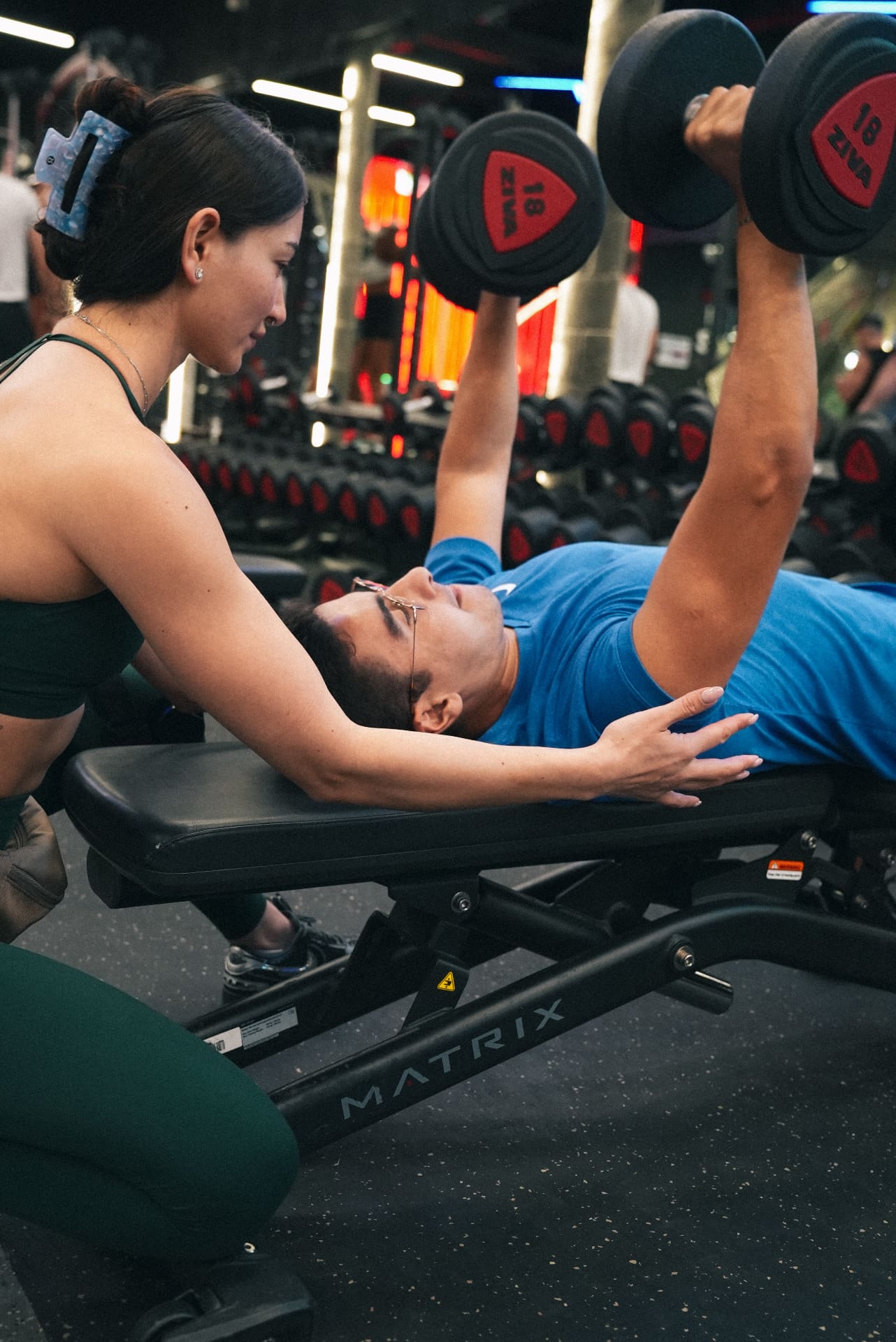
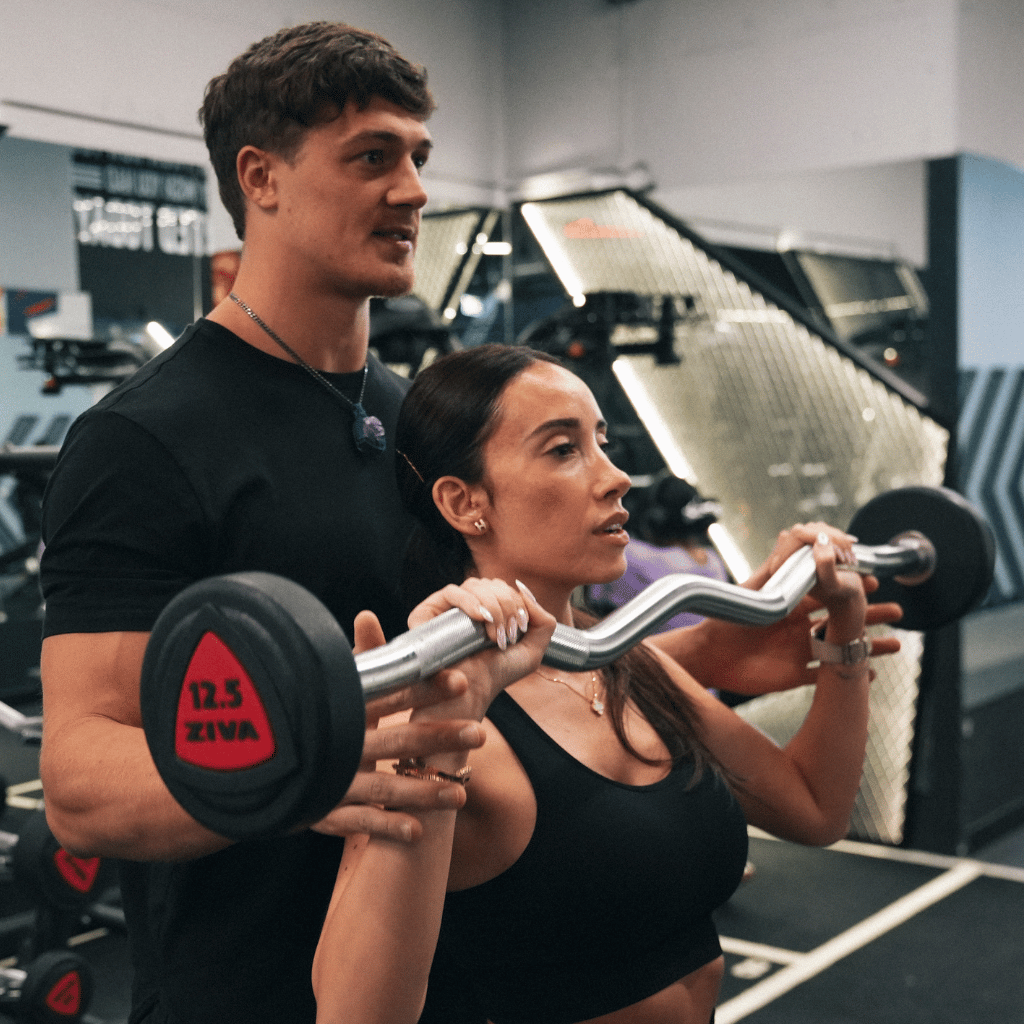
3. Technique has to come before load, every single time
The single most common mistake beginners make in Dubai's commercial gyms is loading up weight before they've earned it with proper movement quality. Lifting more than your technique can handle doesn't make you stronger, it just makes you injured sooner. Spend the first two to three weeks learning how each movement should feel at a light load, and the weight progression that follows will be faster and safer for it.
4. Avoid building your programme around machines if you want real results
Machines have their place in a training programme, but building a beginner programme almost entirely around them, as most commercial gym floor sessions tend to, produces limited results because machines take the stabilising muscles out of the equation entirely. Free weight compound movements, squats, deadlifts, presses, rows, develop the full body in the way it actually functions and produce far more meaningful progress for a beginner in the same timeframe.
5. Track your sessions from day one
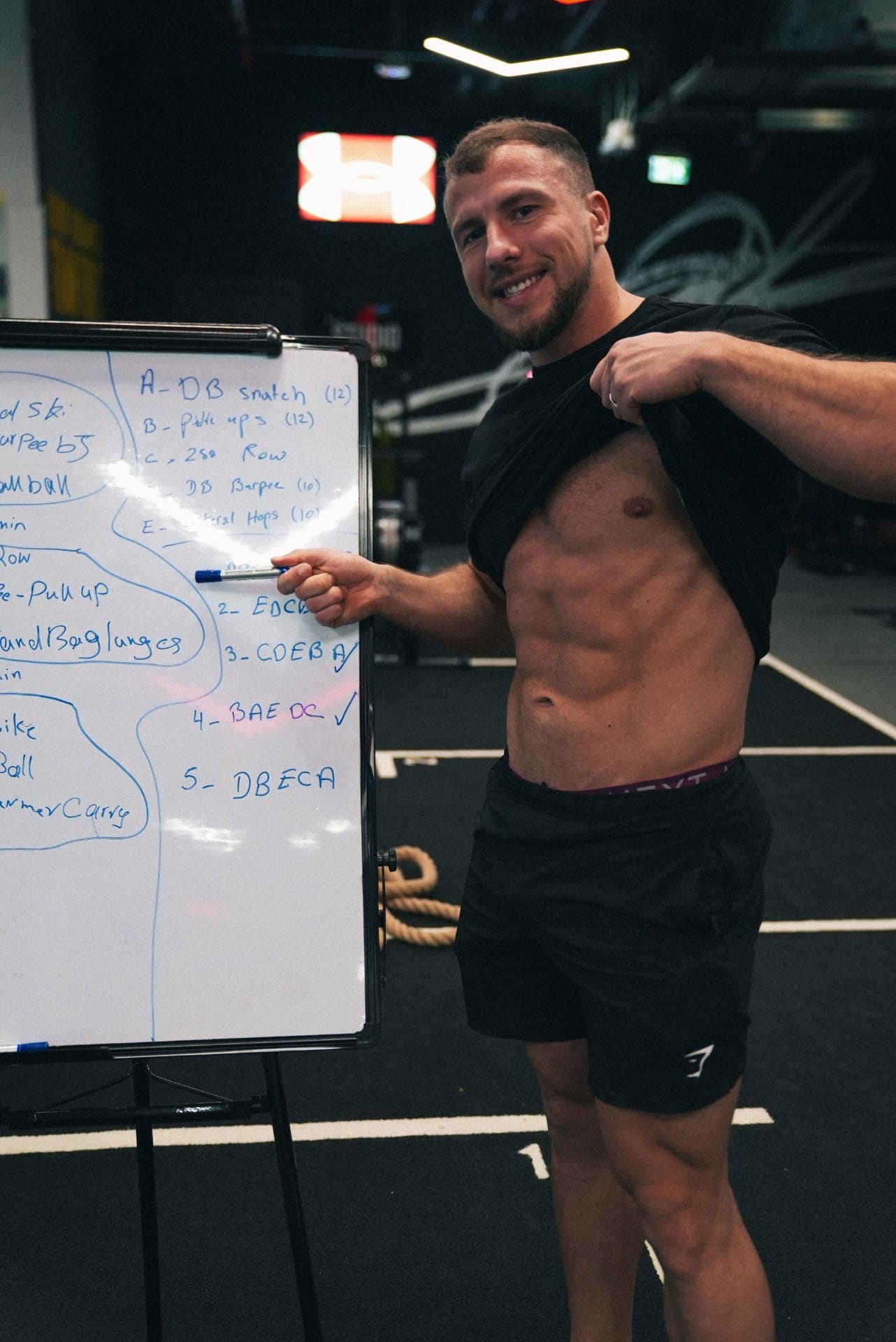
The most important habit a beginner can build is writing down what they did, the exercise, the weight, the sets, the reps. Without this, progressive overload is guesswork, and progressive overload is the entire mechanism through which strength training works. A simple notes app or training journal is all you need. What matters is that you always know what you did last time and can beat it this time, even if just by one rep or half a kilo.
Starting right matters more than starting fast. Book a complimentary session with our coaches at Project Reshape and let's make sure your first steps in strength training are built on a foundation that actually holds up long term.
Frequently asked questions
How often should a beginner strength train?
Two to three sessions per week. Beginners progress fastest with lower frequency and full recovery, and the extra sessions usually cost technique quality rather than adding results.
Should beginners use machines or free weights?
Free weight compound movements should be the backbone of the plan. Machines have a place, but a machine only programme removes the stabilising work that drives real progress.
What are the six fundamental movement patterns?
Squat, hinge, push, pull, carry and core. Almost every worthwhile exercise fits one of these, and a beginner who can do all six well is ready to progress.
How heavy should a beginner lift?
Light enough to keep technique clean for every repetition, then add load gradually each week. Two to three weeks of learning the movement produces faster progression afterwards.
Train with a Project Reshape coach in Dubai
- Free consultation: project-reshape.com/contact
- Private training at our Dubai studios: private coaching.
- Related reading: how many training days per week, how to choose personal trainer, private gym vs commercial.