Resistance training is excellent for strength, muscle and health, but it should not be sold as a reliable way to hack testosterone. A hard session can cause a temporary rise in testosterone, yet long term strength and hypertrophy do not require a chronic increase in resting testosterone. The habits that matter most are less dramatic: train progressively, sleep enough, eat enough to support the work, avoid chronic crash dieting, maintain a healthy body composition and seek medical evaluation when persistent symptoms suggest a genuine hormone problem.
That answer is less exciting than a testosterone boosting workout, but it is much more useful.
What testosterone does, and what gym culture exaggerates
Testosterone is an androgen hormone involved in reproductive function, bone health, red blood cell production and the maintenance of muscle tissue. Clinically low testosterone can affect health and quality of life, and medical treatment decisions belong with qualified clinicians.
Fitness marketing often takes the real importance of testosterone and jumps to a different claim: that a particular food, exercise order, supplement or 20 minute workout can raise testosterone enough to drive dramatically better muscle gain. That is where the evidence becomes much weaker.
Pharmacological testosterone can clearly change muscle and strength because the dose and physiological exposure are very different from normal training fluctuations. It does not follow that every small natural fluctuation is a meaningful muscle building lever.
Resistance training: acute hormone spikes versus long term adaptation
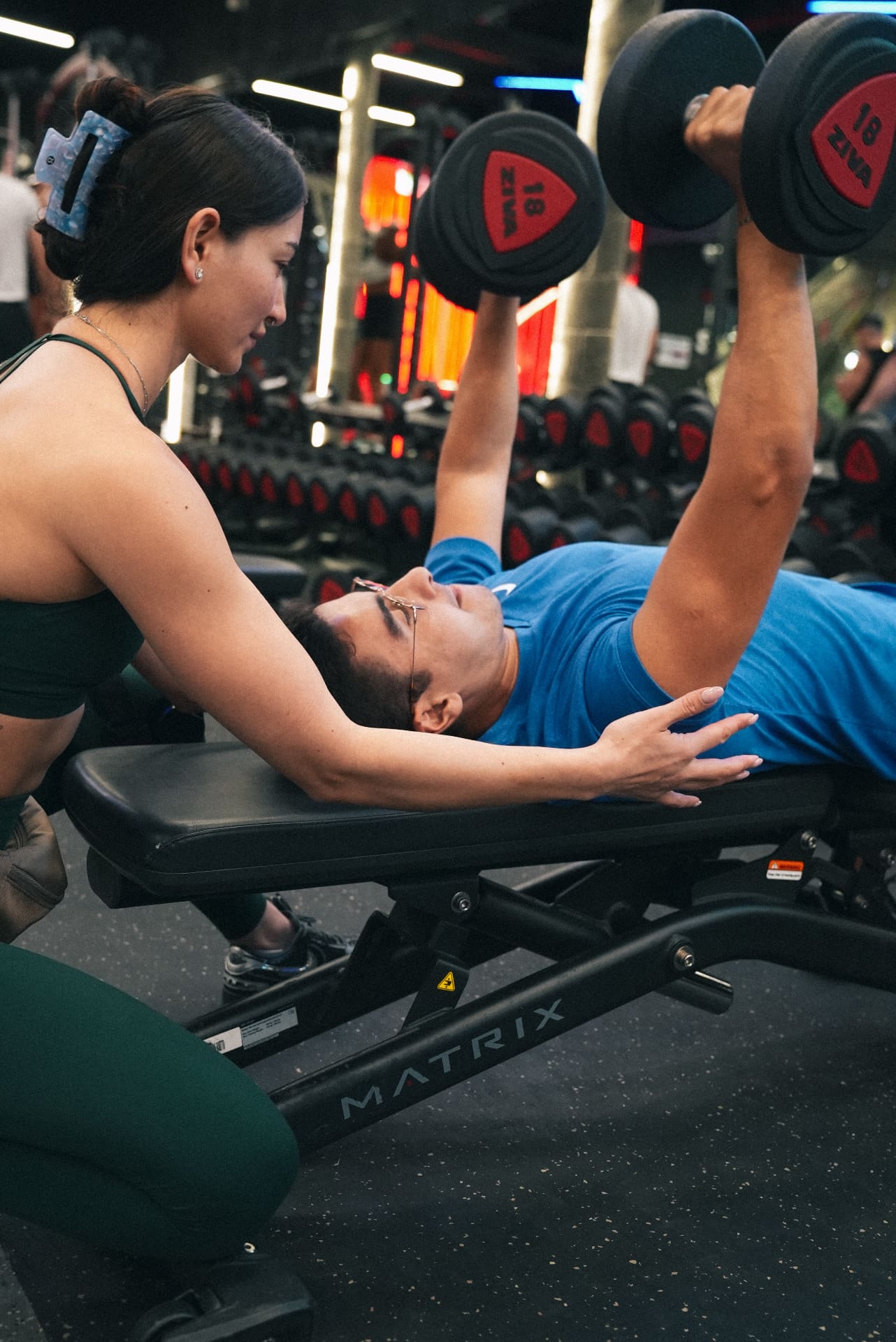
Heavy resistance exercise can temporarily increase testosterone after a session. That acute response is real, but real is not the same as causal for hypertrophy. Research has shown that people can gain strength and muscle without a chronic increase in resting testosterone, and a meta-analysis in insufficiently active men found that exercise training had a negligible average effect on resting total testosterone [1].
A useful practical implication follows: choose exercises because they train the muscles and movement qualities you want, not because somebody claims squats create a uniquely anabolic hormone surge. You do not need to turn every session into a systemic stress test to make progress.
The better long term indicators are performance trends, training volume tolerated, recovery, body composition and consistency. Those are variables a coach can actually programme, and they explain a lot of why some people get results faster.
Sleep: why five hour nights are a real performance problem
Sleep is one of the strongest lifestyle factors worth protecting, but even here the language should be precise. A small controlled JAMA study of 10 healthy young men found that one week of approximately five hour sleep opportunities reduced daytime testosterone by about 10 to 15% compared with a rested condition [2]. The study was short and small, so that percentage should not be presented as a universal prediction for every person.
The broader point is stronger than the exact number: chronically short sleep can worsen training quality, appetite regulation, mood and recovery, and may alter endocrine function. For a client consistently sleeping five hours, adding another supplement is unlikely to be the first thing we would change.
The practical target is not perfection. If eight hours is unrealistic during a busy week, stabilise wake time, protect a realistic sleep window, reduce late night work where possible and avoid stacking the hardest training sessions after the worst nights.
Low energy availability and chronically under eating
Testosterone conversations often focus on what to add, when the more important question is whether the person is chronically under fuelled. Low energy availability occurs when dietary energy left after exercise is insufficient to support normal physiological function. It is well established in female athletes and increasingly recognised in men.
A 2023 review of male endurance athletes describes associations between low energy availability, impaired performance and reductions in testosterone in some contexts [3]. The evidence base is not identical to recreational strength trainees, but it reinforces a practical principle: months of aggressive dieting plus high training volume is not a smart hormone optimisation strategy.
If fat loss is the goal, use a deficit that the person can recover from. If strength and muscle are the goal, ensure the programme has enough energy and carbohydrate to support training quality.
Body composition, recovery and overall health
Body composition matters, but there is no single body fat percentage at which testosterone suddenly becomes optimal. Severe obesity can be associated with lower testosterone in men, while becoming excessively lean through prolonged energy restriction can also disrupt endocrine function. The useful target is a sustainable body composition that supports health, training and normal life.
Alcohol intake, untreated sleep disorders, certain medications, acute illness and medical conditions can also influence testosterone. These are reminders that a hormone result cannot be interpreted from gym performance alone.
What will not reliably boost testosterone in a meaningful way
No single food has been shown to produce a clinically meaningful, durable testosterone rise in a healthy person who is already eating an adequate diet. The same caution applies to most over the counter test boosters. Correcting a true nutrient deficiency is different from taking megadoses of a nutrient when you are already sufficient.
Likewise, an exercise that produces a larger short term testosterone spike is not automatically a better muscle building exercise. Training decisions should be based on mechanical stimulus, skill, safety, progression and the client goal.
This does not make lifestyle irrelevant. It means lifestyle supports normal physiology rather than acting like a prescription drug.
When a fitness coach should refer a client to a doctor
Persistent symptoms such as reduced libido, erectile dysfunction, unexplained loss of muscle or strength, significant fatigue, fertility concerns, delayed puberty, or other endocrine symptoms deserve medical evaluation rather than self diagnosis. A doctor can decide whether testing is appropriate and interpret results in context, including time of day, repeat measurements, medications and other health factors.
A coach can help with training, sleep routines, nutrition structure, body composition and adherence. A coach should not diagnose low testosterone, prescribe hormone therapy or tell a client to ignore persistent symptoms because the solution is supposedly more squats.
What we do with clients at Project Reshape
We programme for performance, body composition and recovery first. That means progressive resistance training, adequate energy and protein, sensible dieting phases, sleep targets and weekly monitoring. If a pattern of symptoms suggests a medical issue, the appropriate move is referral, not a supplement protocol. Our article on how hormones affect weight loss takes the same approach.
Frequently asked questions
Does lifting weights increase testosterone?
A resistance session can temporarily raise testosterone, but long term exercise training does not reliably produce a meaningful chronic rise in resting testosterone. You can still gain muscle and strength.
What exercise boosts testosterone the most?
There is no exercise you need to select for a hormone spike. Choose movements that safely train the muscles and strength qualities relevant to your goal.
Can lack of sleep lower testosterone?
Short term sleep restriction has lowered daytime testosterone in a small controlled study, and insufficient sleep also harms recovery and performance. The exact hormone effect varies between people.
Does dieting lower testosterone?
Aggressive or prolonged low energy availability can affect endocrine function, especially when combined with high training demands. Use a sustainable deficit rather than chronic under fuelling.
Should I take a testosterone booster?
Most supplement claims are much stronger than the evidence. If you suspect clinically low testosterone, discuss symptoms and appropriate testing with a qualified doctor rather than self treating.
Conclusion
The most effective testosterone strategy for a healthy trainee is not a hack. It is a training and recovery environment that supports normal physiology: progressive strength work, enough food, enough sleep, a sustainable body composition and medical evaluation when symptoms persist. Project Reshape uses hormones as context, not marketing.
Next step
- Book your free assessment: request a consultation for a plan built around performance and recovery rather than promises about hormone spikes.
- Related reading: how hormones affect weight loss, why some people get results faster, training and nutrition together.
Sources
- [1] Potter NJ, et al. Effects of Exercise Training on Resting Testosterone Concentrations in Insufficiently Active Men. J Strength Cond Res. 2021;35(12):3521-3528.
- [2] Leproult R, Van Cauter E. Effect of 1 Week of Sleep Restriction on Testosterone Levels in Young Healthy Men. JAMA. 2011;305(21):2173-2174.
- [3] Cupka M, Sedliak M. Low energy availability in male endurance athletes and its impact on performance and testosterone. Eur J Transl Myol. 2023;33(2):11104.
- [4] Vingren JL, et al. Endocrinological Roles for Testosterone in Resistance Exercise Responses and Adaptations. Sports Med.