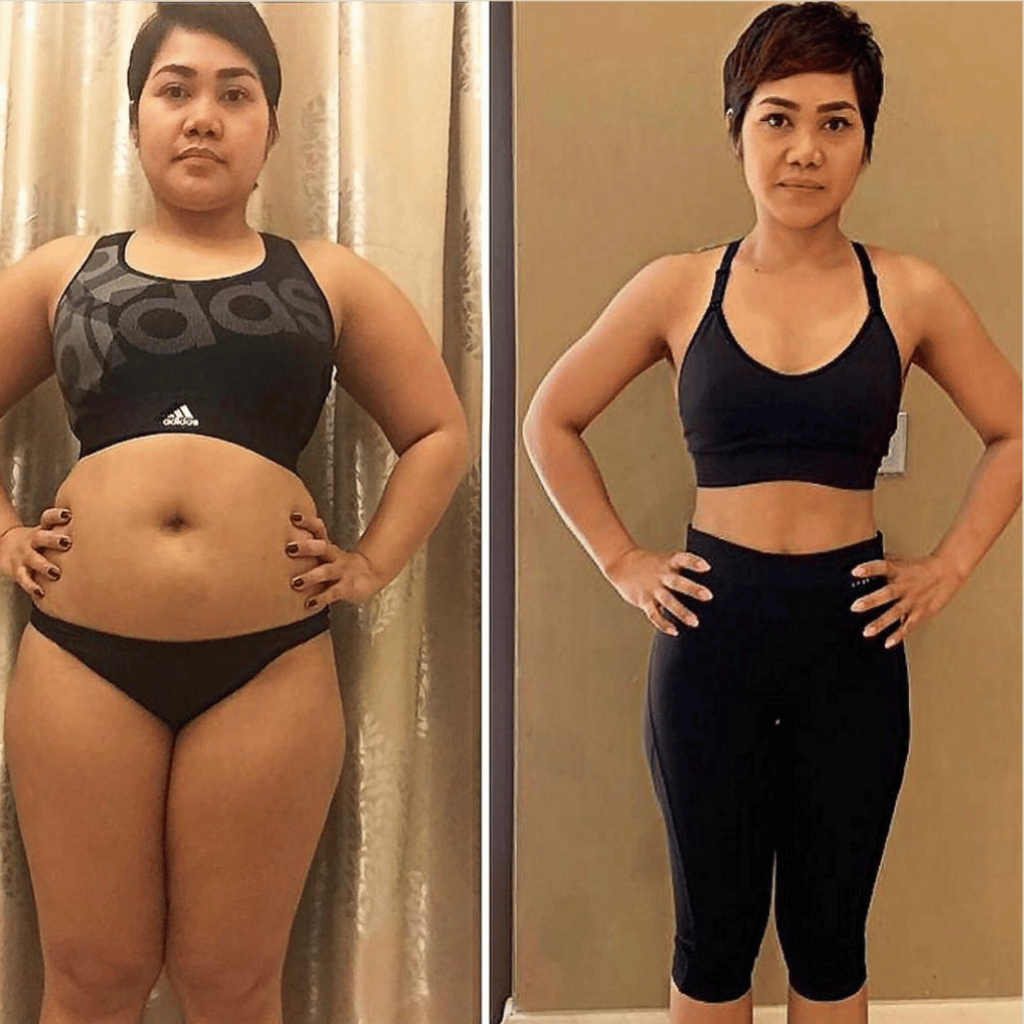
The scale going down feels like progress, and in some ways it is. But a surprisingly large number of people lose five, eight, even ten kilos and look in the mirror wondering why they don't look that different. The weight moved. The shape didn't. Here's what's actually going on, and why this happens far more often than most fitness content admits.
Short answer
- You're losing weight but not the right kind of weight
- Body composition tells a completely different story from body weight
- The areas people most want to change are often the last to shift
- Cardio-only approaches produce weight loss without shape change
- Water retention can mask fat loss for weeks at a time
1. You're losing weight but not the right kind of weight
When a calorie deficit is too aggressive, when protein is too low, or when there's no resistance training alongside the diet, your body loses a significant proportion of muscle alongside the fat. The scale goes down, but so does the muscle that created any definition or shape underneath. The result is a smaller version of the same shape, not a leaner, more defined one. This is sometimes called "skinny fat" and it's almost entirely a product of dieting without training properly.
2. Body composition tells a completely different story from body weight
Two people can weigh exactly the same and look completely different based on how much of that weight is muscle versus fat. Losing fat while preserving or building muscle creates the visible shape change that most people are actually after. Losing weight without caring which kind you're losing just makes the number smaller. Our coaches track body composition from week one because it's the only metric that tells you whether you're actually going in the right direction.
3. The areas people most want to change are often the last to shift
Fat loss doesn't happen in the order you'd choose. Typically the face, neck, and upper body respond first, while the midsection and lower body follow later. If you're judging progress purely by whether your stomach looks different, you may be discounting significant changes happening elsewhere. Progress photos from multiple angles, taken consistently, tell a far more accurate story than the mirror in a single moment.
4. Cardio-only approaches produce weight loss without shape change
Running and cycling burn calories, and a calorie deficit produces weight loss, but cardiovascular exercise alone does almost nothing to change the underlying shape of your body. Shape comes from muscle, and muscle only comes from resistance training with progressive overload. Without lifting properly, you can lose all the weight you want and never get the body you're actually training for.
5. Water retention can mask fat loss for weeks at a time
Starting a new training programme causes inflammation in the muscles, which the body manages by retaining water. This can hold the scale completely flat, or even push it slightly up, for two to four weeks while fat loss is actively happening underneath. Clients who don't know this often quit right in the middle of their best progress, convinced it isn't working.
If your scale is moving but your mirror isn't, book a complimentary assessment with our coaches and let's look at what's actually happening with your body composition.
Frequently asked questions
Why do I look the same after losing weight?
Because you likely lost muscle alongside fat. Shape comes from muscle underneath the skin, so losing weight without resistance training gives you a smaller version of the same shape.
Does cardio change your body shape?
Cardio burns calories and supports a deficit, but it does not build the muscle that creates shape. Resistance training with progressive overload is what changes the outline of your body.
How long does water retention hide fat loss?
Two to four weeks is common when you start a new programme. Muscle inflammation causes water retention that can hold the scale flat while fat loss is happening underneath.
Which body areas change last?
Face, neck and upper body usually respond first. The midsection and lower body typically shift later, which is why photos beat the mirror for tracking progress.
Train with a Project Reshape coach in Dubai
- Free consultation: project-reshape.com/contact
- Private training at our Dubai studios: private coaching.
- Related reading: losing weight vs losing fat, women lifting heavy, protein needs fat loss muscle.