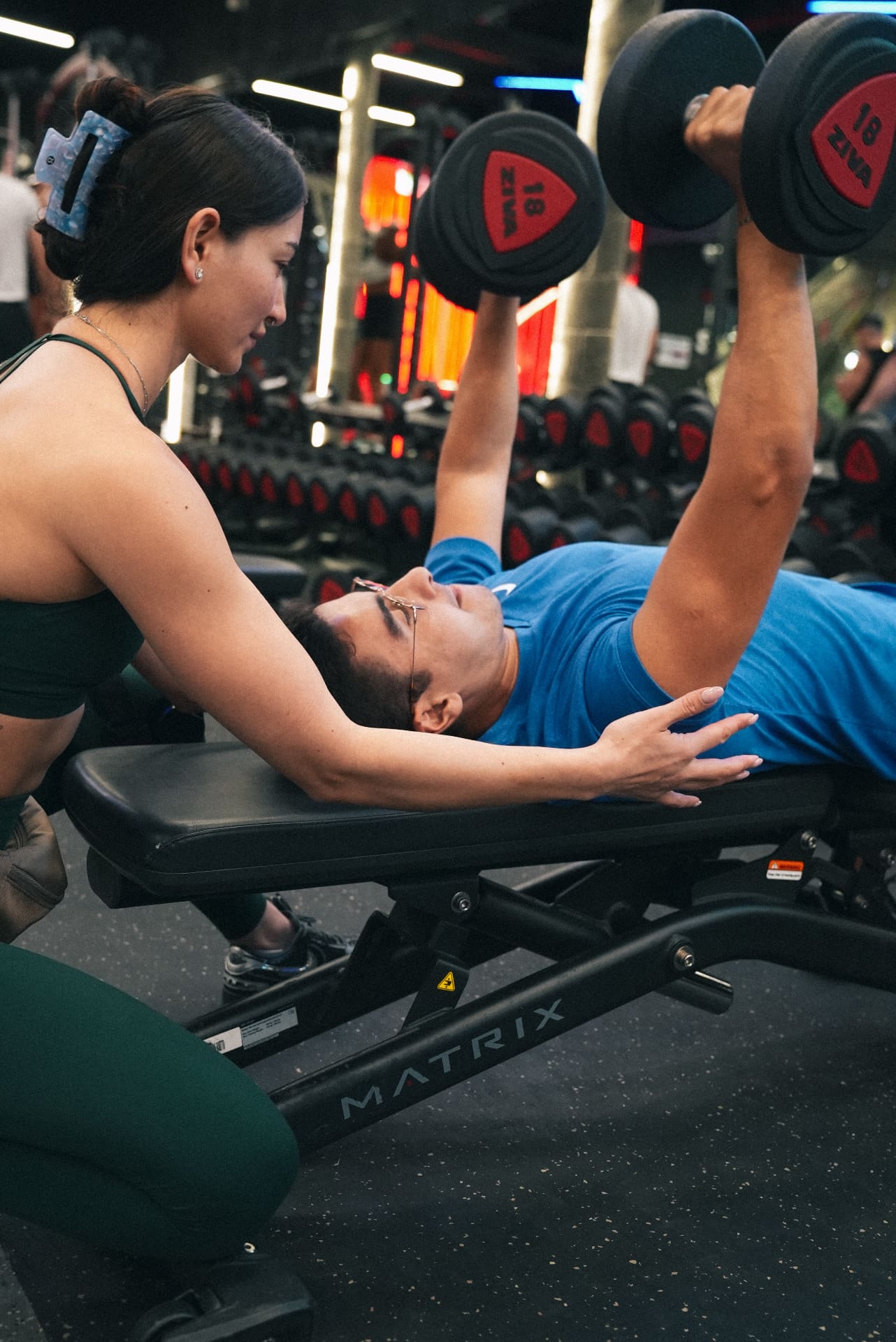
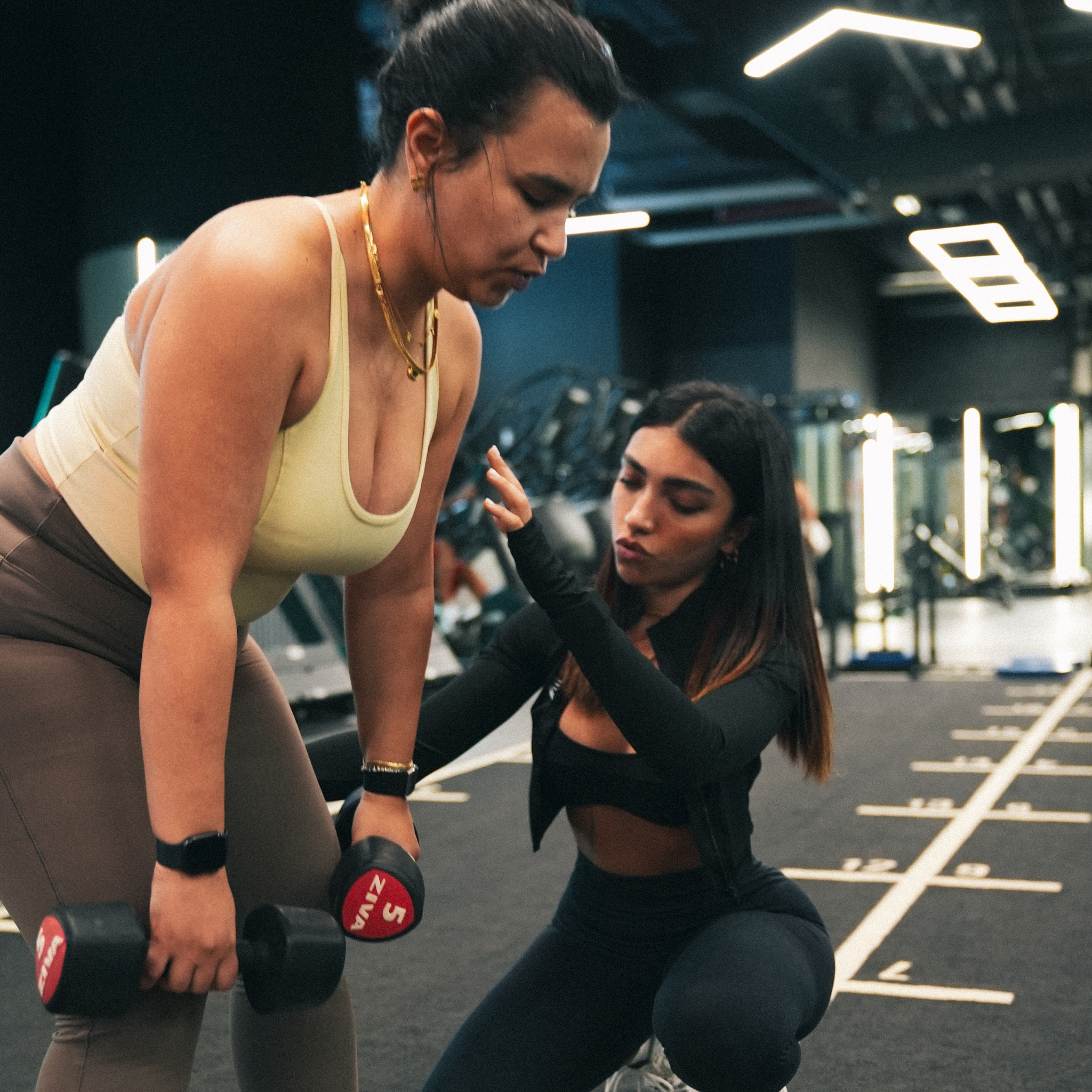
Walk into any gym in Dubai and the pattern is almost always the same. The heavy side of the weights room is mostly men. The women are on the cardio machines or on the lighter end of the dumbbell rack. Nobody is forcing that split, it just happens, and it happens because of a conversation that has been running in women's fitness for decades: lifting heavy will make you bulky, masculine, or "too big." Here is why it is wrong, and what women who actually lift heavy are seeing instead.
Short answer: does lifting heavy make women bulky?
No. Women do not have anywhere near the testosterone needed to build bulky muscle by accident. What heavy lifting actually produces in women is shape, tone, stronger bones, and a leaner-looking body, provided nutrition is in check.
The 5 things every woman lifting in Dubai should know
1. Women don't have the hormones to get "accidentally" bulky
Building large, bulky muscle mass requires high levels of testosterone, the kind men have and women do not, not even close. Female bodybuilders who look extremely muscular have typically trained that way for years with very specific programming, supplementation and nutrition. Picking up a heavier dumbbell three times a week is not going to produce that outcome. It is physiologically not possible without deliberate, sustained effort.
2. Heavy lifting is what actually gives you shape
The "toned" look most women want is not produced by light weights and high reps. It is produced by having enough muscle to create definition and low enough body fat to see it. You build that muscle by progressively overloading with challenging weights, not by staying on the same 5kg dumbbells for three years.
3. It is one of the best things you can do for long-term health
Resistance training with real load builds bone density (which becomes critical as women age and oestrogen declines) and protects against the muscle loss that happens naturally from your 30s onward. Lifting heavy is not just aesthetic, it is one of the most evidence-backed things a woman can do for long-term health.
4. Early "bloating" is not new muscle
Sometimes women do feel "bigger" when they start lifting properly. It is almost always water retention from muscle inflammation during the adaptation phase, not actual new muscle mass, which takes months to build meaningfully. Getting through this early phase with proper coaching is the difference between women who transform and women who conclude lifting "doesn't work for them."
5. Light weights and cardio are keeping most women stuck
The clients who come to us after years of gym-going without visible results are almost always the ones who have been doing exactly what they were told: light weights, lots of reps, lots of cardio. It feels like work, but it is not enough of a stimulus to change the body. Going heavier, properly, is often the single adjustment that breaks a plateau that has been going on for years.
Light weights vs heavy lifting, the honest comparison
| Outcome | Light weights + cardio | Heavy strength training |
|---|---|---|
| Body shape / definition | Minimal | Significant |
| Fat loss (with nutrition dialled) | Slow | Faster |
| Bone density | Small benefit | Strong benefit |
| Metabolic rate | Unchanged | Increased |
| Time efficient | No (long sessions) | Yes (45 min) |
| "Bulky" risk | None | Still none |
Image suggestion: a female client mid-set on a barbell hip thrust under coach supervision. Alt text: "Female personal trainer in Dubai coaching a client through a heavy strength training set in a private studio."
The moment a female client actually commits to lifting properly is almost always the moment things start changing.
The honest takeaway
The fear of getting bulky from lifting heavy is one of the most persistent myths in women's fitness, and it is actively keeping women from the training that would actually get them the results they want. Lift heavy, eat enough protein, be patient through the first few weeks. That is the pathway.
Frequently asked questions
Will lifting heavy make women bulky?
No. Women do not produce enough testosterone to build large, bulky muscle by accident. Getting visibly muscular takes years of dedicated training, precise nutrition and often supplementation. Heavier dumbbells 3x a week will make you strong and defined, not bulky.
How heavy should a woman lift?
Heavy enough that the last 2 to 3 reps of a set feel genuinely hard. For most women that means dumbbells or barbells that let you complete 6 to 10 clean reps, not 15 to 20 easy ones. Progress the load as you get stronger.
Is lifting heavy safe for women over 40?
Yes, and it becomes increasingly important. Heavy resistance training protects bone density and preserves muscle mass, both of which decline after 40 as oestrogen drops. With good technique and a proper coach, it is one of the safest, highest-value things a woman can do.
How long before I see results from lifting heavy?
Strength changes within 2 to 4 weeks. Visible body composition changes usually start showing at 8 to 12 weeks with proper nutrition, and become obvious by month 4 to 6.
Why do I feel bigger when I start lifting?
Usually water retention from muscle inflammation during the first few weeks of training, not new muscle mass, which takes months to build meaningfully. It settles as your body adapts.
Do I need a female personal trainer in Dubai to lift heavy?
Not strictly, but many women prefer it for the coaching style, privacy, and shared lived experience. Our female coaches in Dubai specialise in taking women through their first proper strength phase.
Book a women's strength consultation in Dubai
If you have been training without results for longer than you would like, book a complimentary session with our team and let's show you what your body is actually capable of when it is trained the right way.
- Book a complimentary consultation: project-reshape.com/contact
- WhatsApp our team for a faster reply during UAE hours.
- Related reading: female personal trainer Dubai guide, strength training secrets for women, and postpartum weight loss.