Every new mum gets the same advice eventually, some version of "just eat clean and move more." It is well meaning, and it is also almost useless. Postpartum weight loss is not the same problem as regular weight loss. Your body has just been through something enormous, and treating it like a normal diet-and-exercise situation is exactly why so many new mums end up frustrated, exhausted, or injured. Here is what our female coaches in Dubai actually do with new mums, and why it looks nothing like a crash diet.
Short answer: what actually works for postpartum weight loss?
Sustainable postpartum weight loss comes from recovery-first training, a small protein-led calorie deficit (not a crash diet), strength work that rebuilds the core and pelvic floor, and a 6 to 12 month timeline. It is built around your birth, sleep and feeding situation, not a generic plan pulled off Instagram.
The 5 things that actually move the needle
1. The first weeks are about recovery, not restriction
Cutting calories hard in the first 6 to 12 weeks after birth, especially while breastfeeding, is one of the worst things you can do. Your body is actively healing and, if you are nursing, needs more energy, not less. Pushing for aggressive weight loss this early usually just delays recovery, drains your energy, and sets you up for a rebound. Walk, breathe, eat well, sleep when you can. The fat loss phase comes later.
2. Crash dieting works against you here more than ever
Severely cutting calories while sleep deprived and recovering from birth is the fastest route to losing muscle instead of fat, crashing your energy, and, in breastfeeding mums, affecting milk supply. Sustainable postpartum fat loss needs a small, structured deficit built around your real recovery and feeding needs not a generic 1,200 calorie template copied from somewhere with nothing to do with your situation.
3. Strength training matters more than cardio right now
Most new mums default to walking and cardio because it feels "safe," but your body actually needs targeted strength work to rebuild properly, particularly through the core and pelvic floor, which carried nine months of load and need to be retrained, not just stretched. Done properly, strength training also does far more for long-term body composition than cardio alone ever will.
4. Sleep and protein deserve as much attention as the scale
Recovery, hormonal balance and muscle retention all depend on sleep and protein, and most new mums are running a serious deficit in both. Anchoring 25 to 35g of protein at every meal and protecting whatever sleep windows you can get usually moves the needle more in the first 6 months than anything you do in the gym.
5. This needs to be assessed individually, not templated
Diastasis recti, pelvic floor weakness, a C-section recovery versus a vaginal birth, every postpartum body is dealing with something slightly different. Training through it without checking first can genuinely cause harm. Our Dubai coaches assess this properly before building a programme the part most generic postpartum plans skip entirely.
Postpartum fat loss vs standard fat loss
| Factor | Standard fat loss | Postpartum fat loss |
|---|---|---|
| Calorie deficit | 500 to 700 below maintenance | 200 to 500, higher if breastfeeding |
| Protein target | 1.6 to 2.0g per kg | 1.8 to 2.2g per kg |
| Core training | Standard crunches, planks | Breath, deep core, pelvic floor first |
| Cardio | Optional | Walking only, early on |
| Timeline | 12 to 16 weeks | 6 to 12 months |
| Pre-screening | Health questionnaire | Diastasis + pelvic floor assessment |
A realistic postpartum timeline
| Phase | Focus | What it looks like |
|---|---|---|
| Weeks 0 to 6 | Healing | Breath work, walking, nutrition, sleep triage |
| Weeks 6 to 12 | Foundation | Core rebuild, pelvic floor, light full-body strength |
| Months 3 to 6 | Progressive strength | Real loading, structured programme, small deficit |
| Months 6 to 12 | Composition shift | Visible muscle, fat loss, return to athletic training |
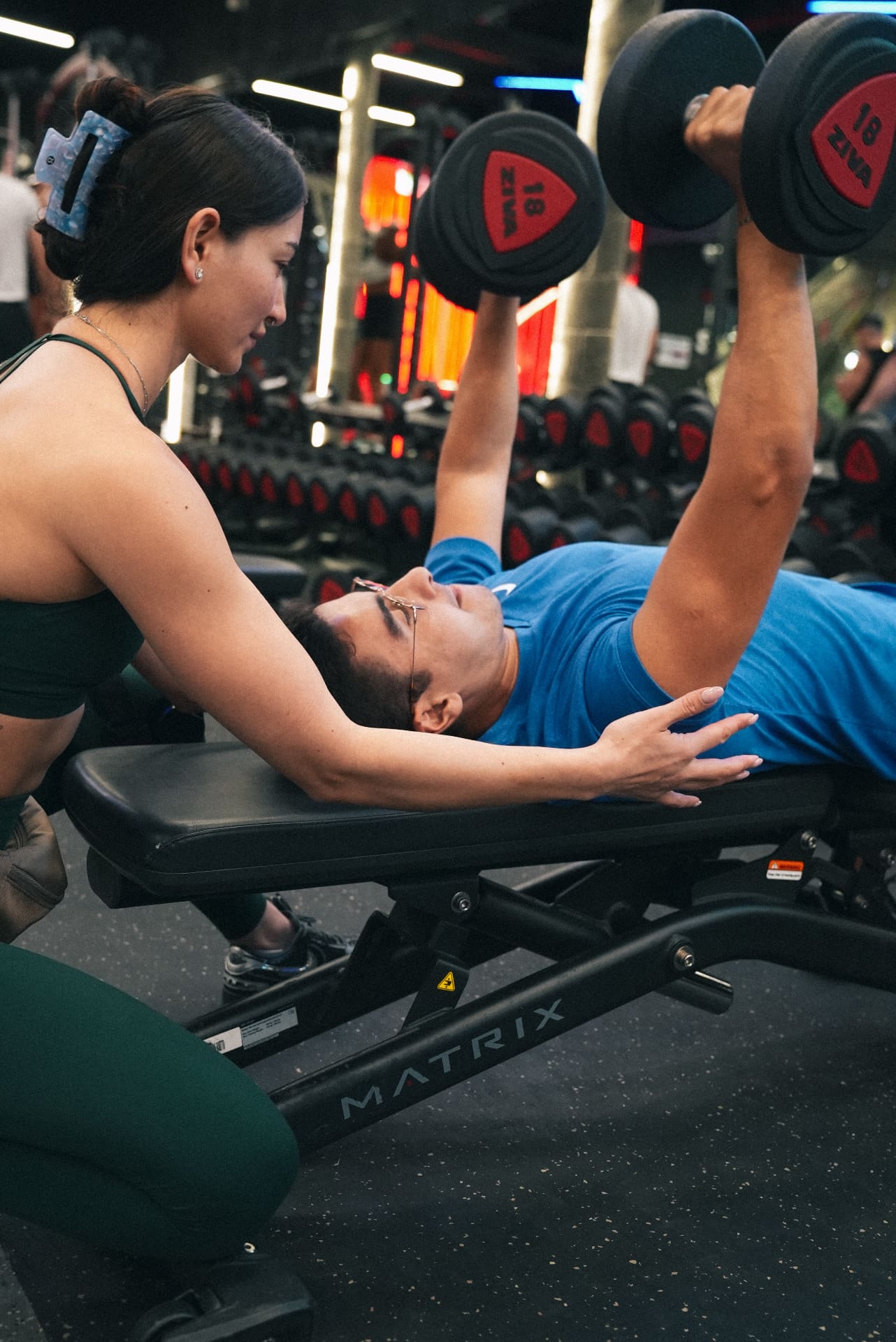
Image suggestion: female coach guiding a postnatal client through a deadbug. Alt text: "Female personal trainer in Dubai coaching a new mum through a postpartum core rebuild session."
Getting your body back after a baby isn't about punishing it back into shape. It is about rebuilding it properly, so the results last when life gets busy again and with a newborn, it always does.
The honest takeaway
Postpartum weight loss is a 6 to 12 month project, not a 6 week sprint. Get the recovery right, rebuild the core and pelvic floor first, train strength over cardio, protect sleep and protein, and accept that the most reliable shortcut is having someone who has done this before checking your form and your numbers.
Frequently asked questions
When can I safely start exercising after giving birth?
Most women can begin gentle movement and breath work within days, but structured strength training usually starts after the 6 to 8 week postnatal clearance from your doctor, and later if you had a C-section or complications. Our Dubai coaches always assess core and pelvic floor function before loading you up.
How long does postpartum weight loss really take?
A realistic timeline is 6 to 12 months to return to your pre-pregnancy body composition, with the first noticeable shift usually around month 3 to 4 when training and nutrition become consistent. Trying to do it in 6 weeks is what causes rebounds and injury.
Can I lose weight while breastfeeding?
Yes, but the deficit has to be small, around 300 to 500 calories below maintenance, with high protein, enough fats and steady carbs. Aggressive cutting can affect milk supply and tank your energy, which is the opposite of what a new mum needs.
What is diastasis recti and does it affect my training?
Diastasis recti is a separation of the abdominal muscles that is very common after pregnancy. It changes which core exercises are safe and which will make it worse. A proper assessment is non-negotiable before doing crunches, planks or heavy lifts.
Do I need a female personal trainer for postpartum coaching in Dubai?
Not strictly, but most new mums prefer it for the privacy, the lived experience, and the comfort of being coached through pelvic floor and core work by another woman. Our female coaches in Dubai specialise in exactly this.
Can I train at home with a newborn?
Yes. We run in-home sessions across Dubai for new mums so you do not need to organise childcare or commute. Sessions are 45 to 60 minutes and built around your sleep, feeding and recovery.
Book a postpartum coaching assessment in Dubai
If you are ready to train the right way after birth, book a complimentary consultation with our female coaches in-studio or in your home anywhere in Dubai and let us build a plan that fits your body and your new reality.
- Book a complimentary consultation: project-reshape.com/contact
- WhatsApp our team for a faster reply during UAE hours.
- Related reading: the female personal trainer Dubai guide, strength training for women, and weight loss coaching in Dubai.