The idea that a woman in her 20s, a woman in her 40s, and a woman post-menopause should all be following broadly similar training programmes is one of the biggest gaps in mainstream fitness content. Female physiology changes significantly across a lifetime, and the training and nutrition strategies that work brilliantly at one stage can become actively counterproductive at another. Here's what our coaches adjust and why, across the different chapters of a woman's training life.
Short answer
- In your 20s the priority is building the foundation you'll benefit from for decades
- In your 30s recovery starts to matter more and programme design needs to reflect that
- Perimenopause changes the rules significantly, and most programmes ignore it entirely
- Post-menopause demands the most deliberate approach of all
- Hormonal cycles within each month also affect training in ways that a good programme can work with
1. In your 20s the priority is building the foundation you'll benefit from for decades
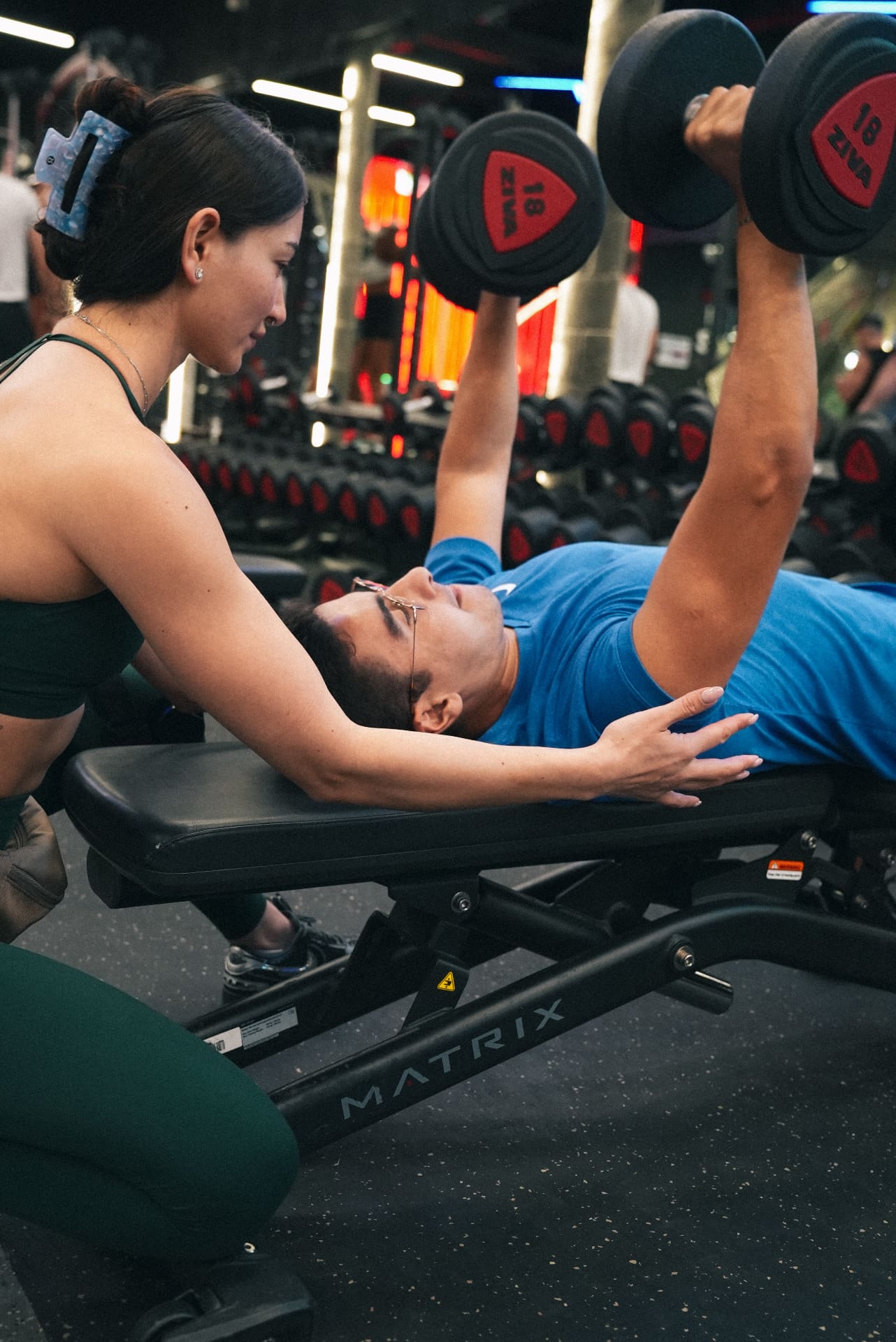
This is the stage where muscle is built most efficiently and bone density is most responsive to loading. Women who do serious strength training in their 20s are essentially investing in a physical reserve that pays dividends for the rest of their life. The mistake most women make in this decade is avoiding heavy lifting entirely in favour of cardio and light toning work, which builds very little of the muscle and bone that matters most later.
2. In your 30s recovery starts to matter more and programme design needs to reflect that
Stress, career demands, relationships, and often early parenthood converge in the 30s to create a life where recovery is genuinely harder to come by. Training programmes that worked brilliantly at 22 may now leave a 34-year-old chronically fatigued rather than progressing, not because the approach is wrong in principle, but because it's not accounting for the real recovery capacity available. Our coaches recalibrate volume and intensity around actual recovery, not assumed recovery.
3. Perimenopause changes the rules significantly, and most programmes ignore it entirely
The hormonal fluctuations of perimenopause, which can begin in the early to mid 40s, affect everything from muscle retention and fat distribution to mood, sleep quality, and recovery. Resistance training becomes more important than ever during this phase, not less, because it directly counteracts the muscle loss and bone density decline that accelerates with declining oestrogen. Cardio-heavy programmes at this stage often make the hormonal picture worse rather than better.
4. Post-menopause demands the most deliberate approach of all
Post-menopausal women face an accelerated rate of muscle loss, significant bone density risk, and a metabolic shift that makes fat gain easier and fat loss harder than at any previous stage. The research is very clear that heavy, progressive resistance training is the most effective intervention available for all of these outcomes, and yet the programming most women receive in this stage tends to be the lightest and most cautious, which is almost exactly backwards.
5. Hormonal cycles within each month also affect training in ways that a good programme can work with
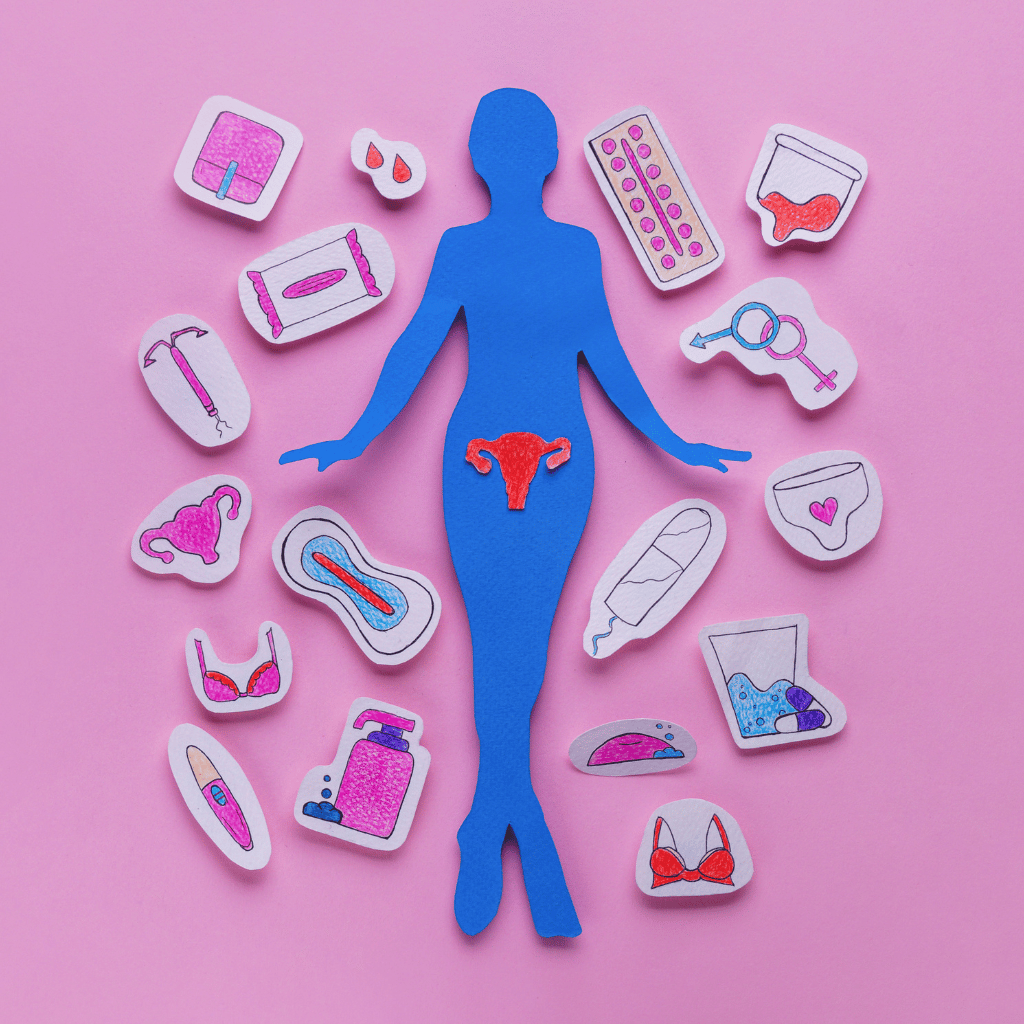
Beyond the broader life stages, female hormonal cycles within each month create meaningful variation in energy, strength, recovery, and even injury risk across the cycle. Our female coaches programme around this where appropriate, scheduling higher intensity and heavier loads in the follicular phase when strength and recovery tend to peak, and adjusting volume and expectation in the luteal phase where fatigue and recovery demands typically increase.
A programme that doesn't account for where a woman is in her hormonal life is leaving results, and long-term health, on the table. Book a complimentary consultation with our female coaches and let's build something designed specifically for where you are right now.
Frequently asked questions
Should women train differently as they age?
Yes. The training principles stay the same, but recovery capacity, hormonal environment and the priority placed on strength and bone density all shift with each decade.
How should I train in perimenopause?
Prioritise heavier resistance training, higher protein and more recovery. Falling oestrogen makes muscle and bone preservation the central goal, not extra cardio.
Does my menstrual cycle affect training?
It does. Heavier work is usually better tolerated in the follicular phase, and volume can drop in the late luteal phase without losing progress.
Is it too late to start lifting after 50?
No. Post menopausal women gain strength and bone density with proper resistance training, and it is the single most valuable intervention at that stage.
Train with a Project Reshape coach in Dubai
- Free consultation: project-reshape.com/contact
- Private training at our Dubai studios: private coaching.
- Related reading: strength training secrets female coaches, women lifting heavy, female personal trainer guide.