Most people who take a break from training assume they'll lose some progress, without being entirely sure what that means in practice. The reality is more nuanced than most fitness content suggests, and understanding exactly what happens and how quickly is one of the most powerful arguments for staying consistent that our coaches use with clients who are considering a long break or who've just come back from one.
Short answer
- Cardiovascular fitness drops faster than strength
- Muscle size and strength follow different timelines
- Muscle memory makes coming back significantly faster than starting from scratch
- Metabolic rate and body composition shift more slowly than most people fear
- The real cost of stopping is psychological, not just physical
1. Cardiovascular fitness drops faster than strength
Within one to two weeks of stopping training, measurable declines in cardiovascular performance begin, with VO2 max decreasing noticeably within three to four weeks of complete inactivity. Strength, on the other hand, holds up considerably better, often remaining largely intact for three to four weeks after stopping, and declining more slowly thereafter. This is useful to know because it reframes the panic around a short break. A one or two week holiday is not going to meaningfully set back strength progress.
2. Muscle size and strength follow different timelines
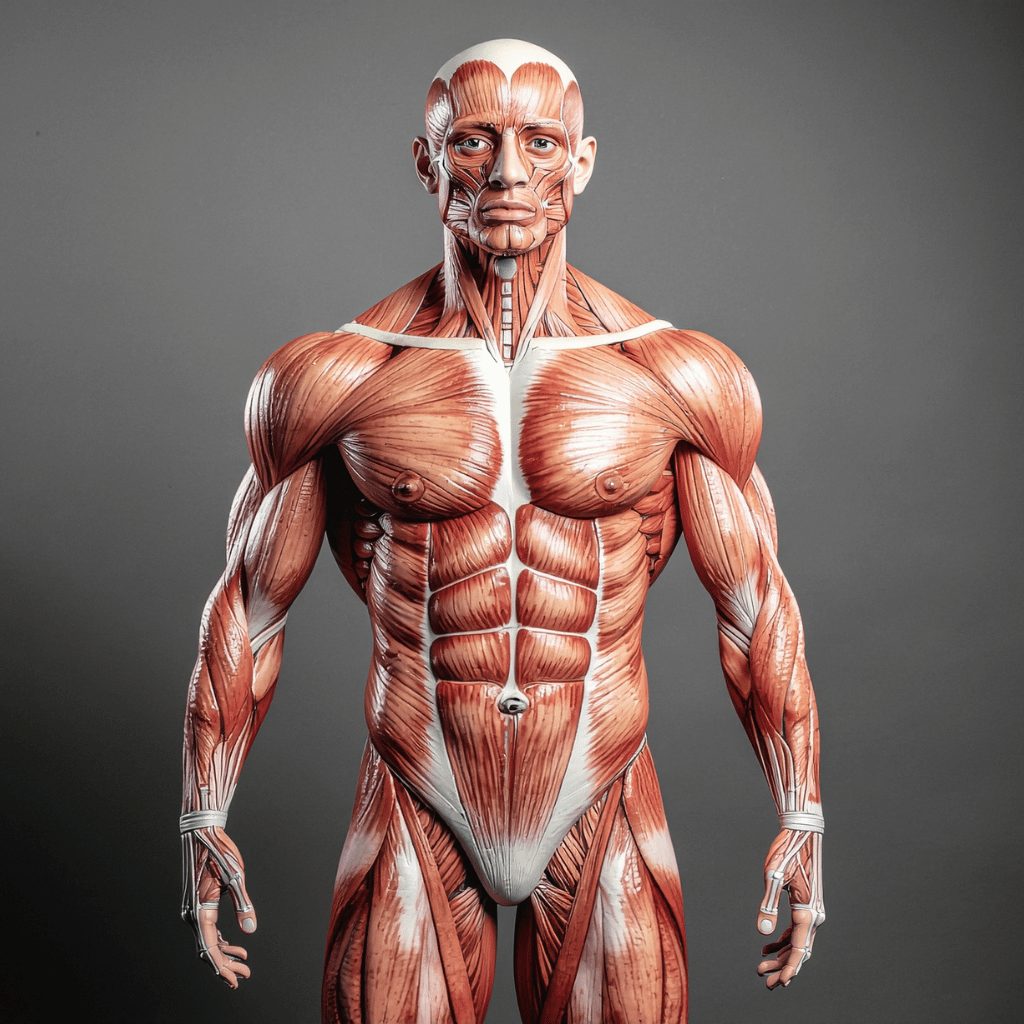
Muscles can look and feel noticeably smaller within two to three weeks of stopping training due to reduced glycogen and water stored in the muscle tissue, even when actual muscle protein hasn't been lost yet. This visual change is one of the main reasons people panic after a short break, because the mirror suggests more loss than has actually occurred. True muscle protein loss takes longer to become significant, typically several weeks of complete inactivity.
3. Muscle memory makes coming back significantly faster than starting from scratch
This is the most reassuring thing our coaches tell clients returning from a break. Muscle nuclei, the cellular structures gained through training, persist long after the visible muscle has reduced. When training resumes, the body rebuilds muscle significantly faster than it was originally built, often recovering several months of lost progress in just a few weeks of consistent training. Someone coming back after a two-month break is not starting over, they're accelerating.
4. Metabolic rate and body composition shift more slowly than most people fear
A few weeks off training will not dramatically change your metabolic rate or cause significant fat gain if nutrition stays broadly in check. The body composition changes that people worry about, losing all their muscle and gaining significant fat, require extended inactivity measured in months, not days or weeks. A short break managed with reasonable nutrition is a recovery period, not a body composition crisis.
5. The real cost of stopping is psychological, not just physical
The habits, the routine, the identity built around training, these are genuinely at risk during an extended break in a way that the physical fitness isn't. Clients who come back after six months away have often lost as much of the psychological infrastructure of training, the automatic habit, the natural motivation to go, as they have the physical base. This is the real reason our coaches work hard to keep clients training in some form through holidays, busy periods, and life disruptions, not because a week off matters physically, but because the habit is harder to rebuild than the fitness.
Taking time off won't ruin everything, and coming back is faster than you think. But the longer the break, the longer the rebuilding. Book a complimentary session with our coaches and let's get you back on track properly.
Frequently asked questions
How quickly do you lose fitness?
Cardiovascular fitness declines noticeably within two to three weeks. Strength and muscle size hold on considerably longer, often for several weeks beyond that.
How long before you lose muscle?
Measurable muscle loss usually takes three to four weeks of complete inactivity, and it happens far more slowly than most people assume.
Is muscle memory real?
Yes. Previously trained muscle regains size and strength much faster than it was originally built, thanks to retained nuclei in the muscle fibres.
Will a two week holiday undo my progress?
No. A short break rarely costs anything meaningful and often improves performance through better recovery.
Train with a Project Reshape coach in Dubai
- Free consultation: project-reshape.com/contact
- Private training at our Dubai studios: private coaching.
- Related reading: staying fit when you travel, why you keep starting over every january, how many training days per week.