The most effective training week for a busy adult is boring on paper: three strength sessions and one hundred and fifty to three hundred minutes of moderate aerobic activity, repeated. The difficulty is never the plan. It is fitting the plan into a working week in Dubai and still doing it in August.
This is a structure you can carry for years, and a few notes on how to keep it alive when the diary fights back.
The two halves of the week
Strength work maintains muscle and bone, protects joints and keeps everyday tasks easy. Aerobic work builds cardiovascular fitness and adds to total weekly energy expenditure. They do different jobs, and neither substitutes for the other.
Most people who feel stuck are doing one of the two. Usually it is cardio only, which is why the scale moves but the body does not change shape. Our article on the hidden cost of cardio only training explains why.
The strength half
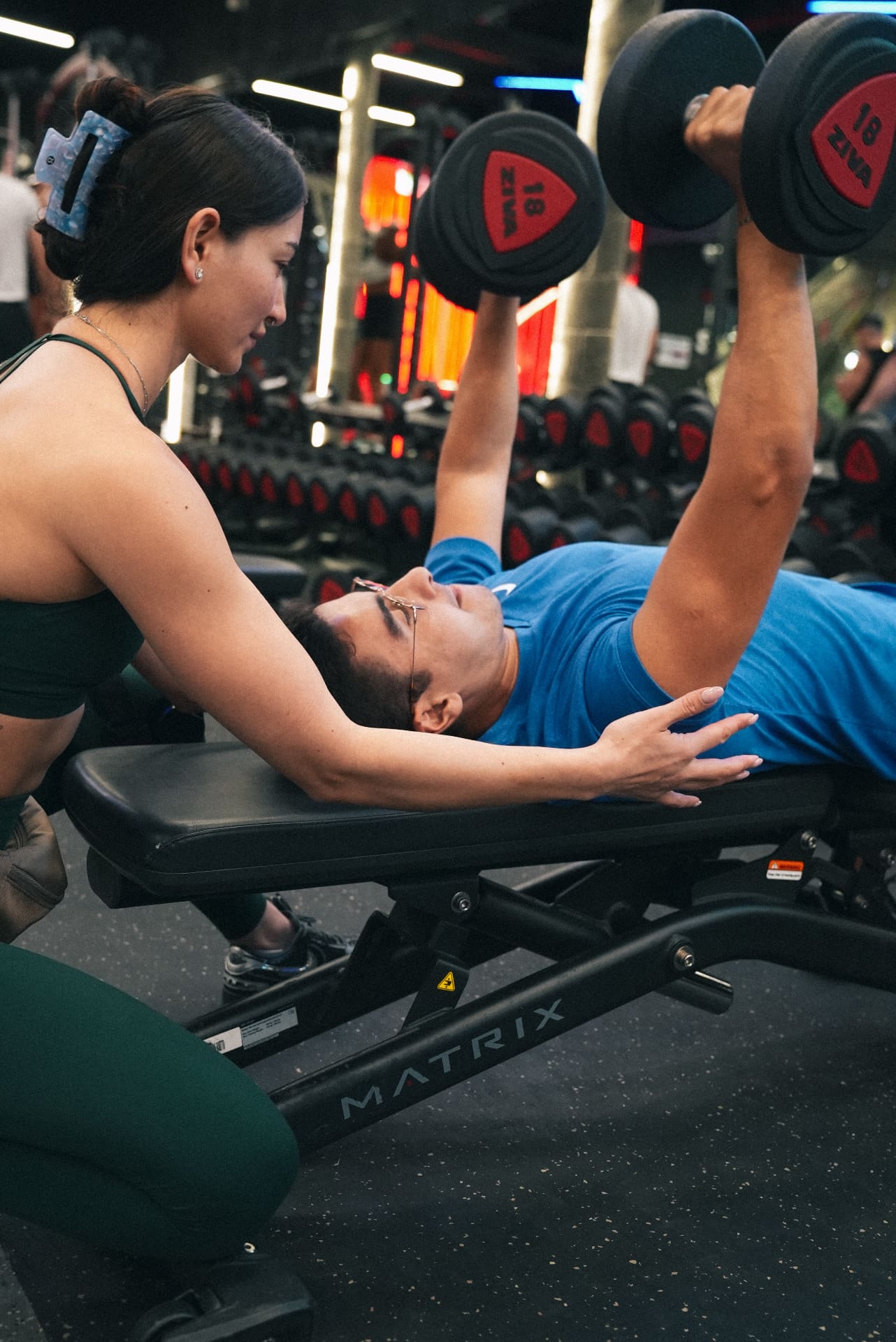
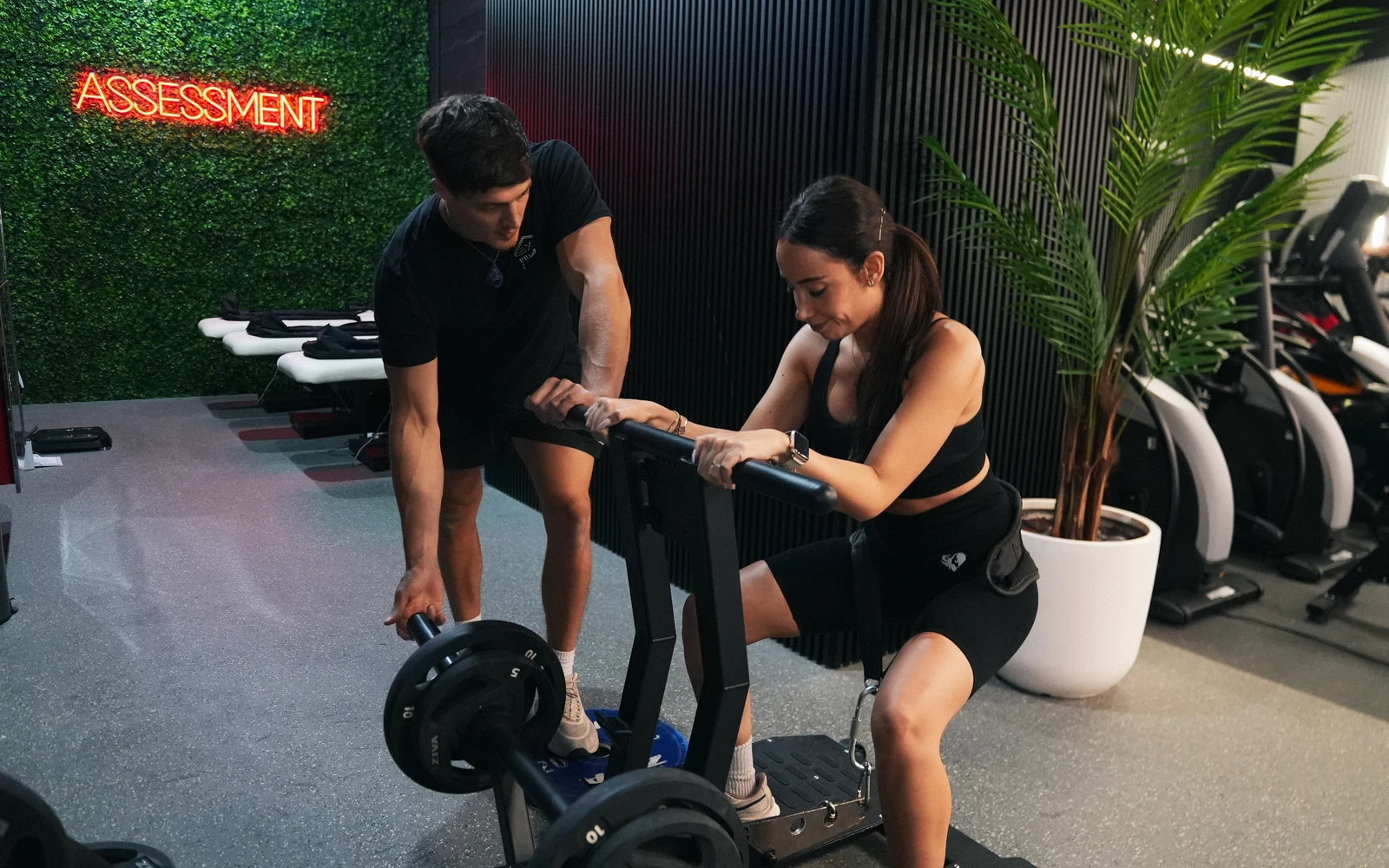
Three sessions a week, each covering a squat pattern, a hip hinge, a push, a pull and trunk or carry work. Eight to twelve repetitions, one to three sets, stopping while technique is clean, and adding a small amount of load or one clean repetition over time.
Full body sessions suit three days a week better than body part splits, because missing one day does not leave a muscle group untrained for a fortnight.
The aerobic half
Moderate intensity means you can speak but not sing. Brisk walking, cycling, swimming or the cross trainer all qualify. The minutes accumulate across the week, so three shorter efforts count the same as one long one.
In Dubai summer, plan this indoors or around sunrise. A treadmill incline walk while watching something is the most underrated tool in a hot climate, and it is far more repeatable than a plan that depends on being outside.
Daily movement, the part nobody counts
Long uninterrupted sitting is its own problem, separate from whether you trained that day. Break it up. Stand for calls, walk for ten minutes after lunch, take the stairs when they are there. This is not a replacement for training. It is the layer underneath it.
A worked example week
- Monday: strength, full body, 45 to 60 minutes.
- Tuesday: 30 minutes brisk walking or cycling.
- Wednesday: strength, full body.
- Thursday: 30 minutes moderate cardio, plus a short walk after dinner.
- Saturday: strength, full body.
- Sunday: a longer easy walk or swim.
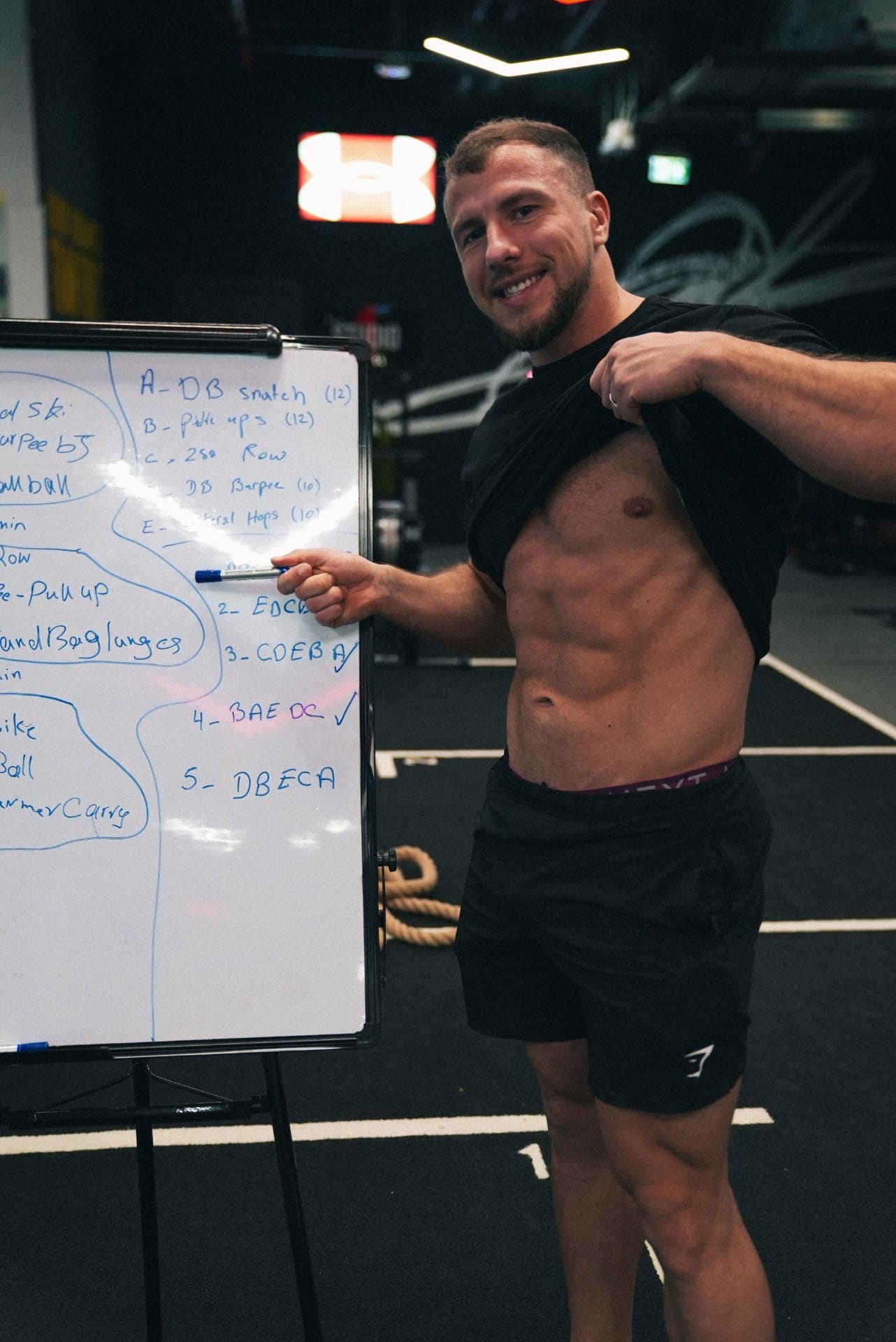
That is roughly one hundred and fifty minutes of aerobic work and three strength sessions, inside about four and a half hours a week.
A lighter version that still works
If the week collapses, do not abandon it. Two strength sessions and a hundred and fifty minutes of walking is a genuinely effective week. A reduced plan you complete is always better than a full plan you skip, and the habit survives into the following week.
Recovery and progression
Seven or more hours of sleep, a consistent sleep window and a wind down routine are part of the programme, not optional extras. Log your sessions so progression is deliberate, and take a lighter week when repetitions on familiar loads start falling across several sessions.
Frequently asked questions
How much exercise should an adult actually do each week?
Common public health guidance is one hundred and fifty to three hundred minutes of moderate aerobic activity per week, plus muscle strengthening work on two or more days. Three strength days is a good practical target.
Can I split the minutes into short walks?
Yes. The minutes accumulate. Three ten minute walks count the same as one thirty minute walk, which makes the target realistic around an office day.
Does a walk after meals do anything useful?
Short walks after meals are an easy way to add daily movement and break up long sitting. They are a habit worth having, not a treatment for any medical condition.
What if I can only manage two sessions a week?
Do two well. Consistent, progressive training twice a week over a year beats an ambitious five day plan that collapses in February.
Conclusion
Three strength days, a hundred and fifty to three hundred minutes of moderate movement, broken up sitting and protected sleep. It is not complicated, and it is the structure almost every good result we see is built on.
Next step
- Book your free assessment: request a consultation and we will build this week around your actual schedule.
- Related reading: the over 40 strength blueprint, when to take a deload, sleep as a training variable.
Sources
- World Health Organization. Physical activity fact sheet.
- Centers for Disease Control and Prevention. Physical activity guidelines for adults.
- Project Reshape member guides. Training and Hormones and Stronger After 40, September 2026.