Cycle based training is marketed with far more certainty than the evidence supports. The most reliable current position is that most women do not need to restructure their entire programme around menstrual cycle phases. Consistent, progressive strength training matters more. Individual symptoms, however, are real and worth managing, so flexible adjustment beats a rigid phase template.
That is a more honest answer than either extreme. Hormones are not irrelevant, and they are not a complete training prescription.
A short overview of the menstrual cycle
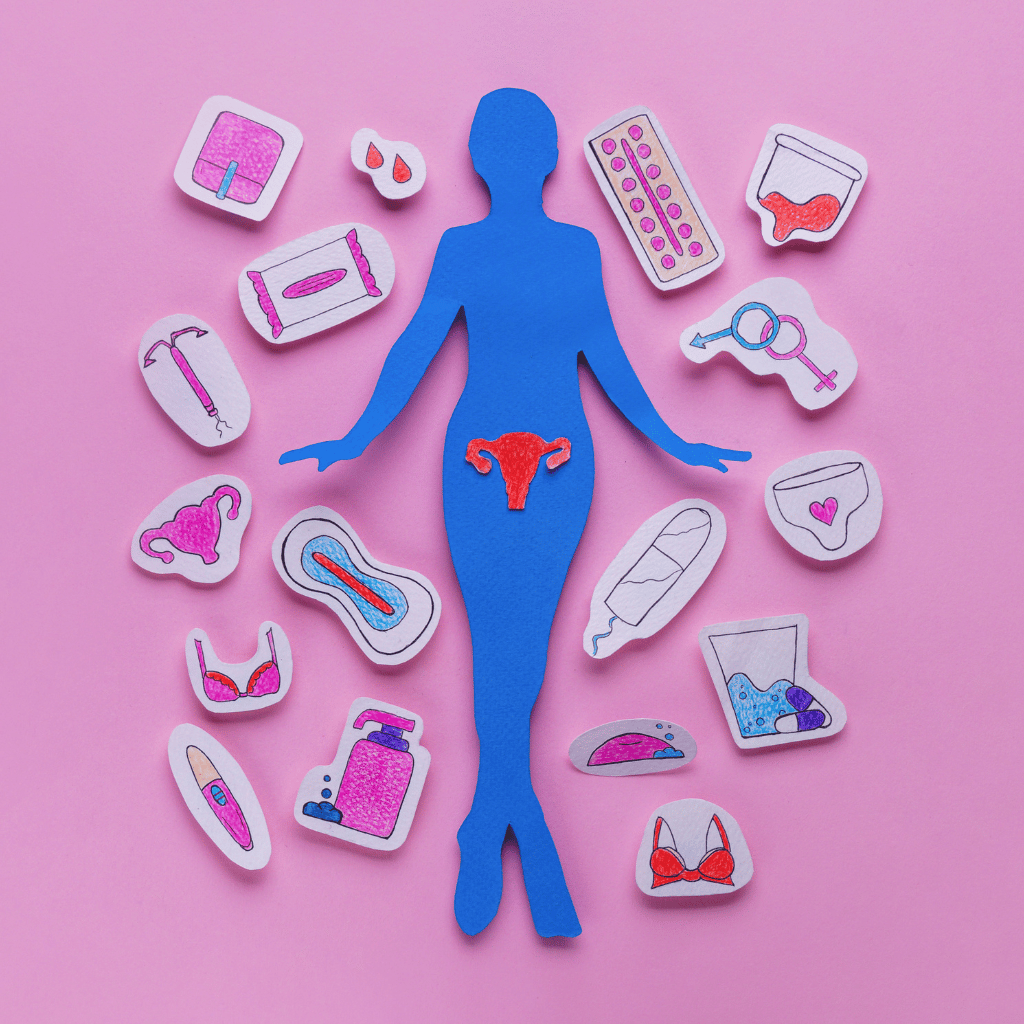
A typical cycle involves the follicular phase, ovulation and the luteal phase, with hormones including oestrogen and progesterone changing across those stages. Cycle length, symptom severity and hormonal patterns vary substantially between individuals, and can vary from month to month for the same person.
That variability is one reason it is difficult to make strong universal training rules. A plan built on an idealised 28 day cycle may not match a specific person experience.
Hormonal contraception, perimenopause, medical conditions and irregular cycles further change the picture, which is why individualisation is more useful than a template.
What the research actually shows about performance
A widely cited systematic review and meta-analysis by McNulty and colleagues examined exercise performance across menstrual cycle phases in eumenorrheic women. It reported a possible small reduction in performance during the early follicular phase compared with other phases, but the quality of evidence was low and the effect was described as trivial [1].
Blagrove and colleagues similarly reviewed strength outcomes and concluded that the evidence did not support consistent, meaningful differences in maximal strength across cycle phases for most women [2].
So the takeaway is not that women never feel different. It is that group average performance differences appear small, inconsistent and not strong enough to justify abandoning a well designed progressive programme.
Why symptoms still matter
Statistical averages do not remove lived experience. Cramping, heavy bleeding, fatigue, headaches, mood changes, disrupted sleep and gastrointestinal symptoms can meaningfully affect a session. Some women feel strongest in particular weeks and notice a clear pattern.
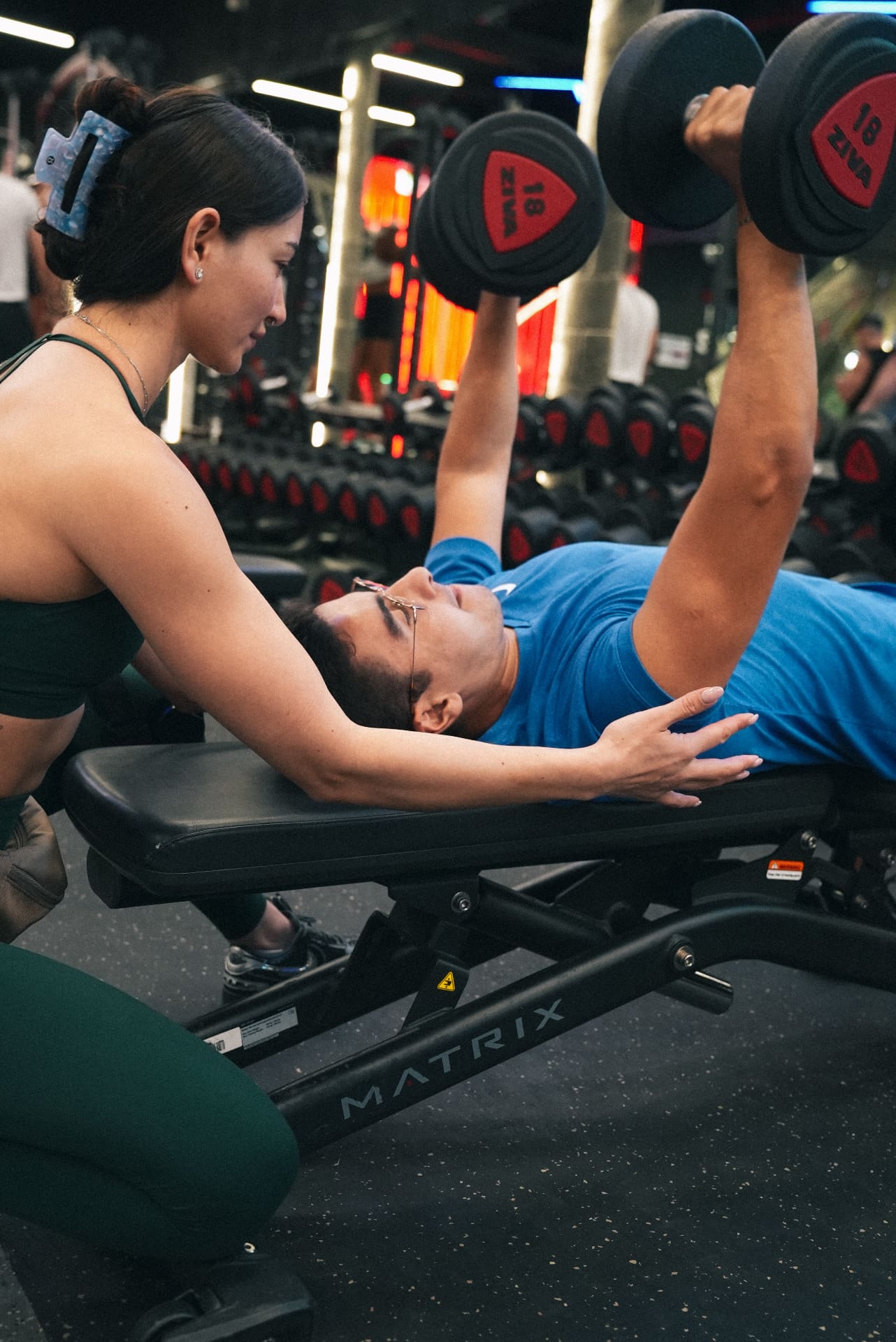
The right response is individual. If a client consistently struggles during specific days, the programme can be adjusted so that technically demanding or maximal work is less likely to be scheduled then. If another client notices no difference, there is no reason to force a change.
Severe pain, very heavy bleeding, absent periods, or symptoms that interfere significantly with daily life should be discussed with a doctor rather than managed only through training tweaks.
Symptom informed programming beats rigid phase templates
A practical approach looks like this. Keep the core programme consistent and progressive. Track training performance and symptoms together. When symptoms are high, use autoregulation: reduce load slightly, reduce the number of hard sets, choose more comfortable exercise variations, or extend rest periods.
Autoregulation is not lowering standards. It is protecting the long term trend. A slightly reduced session that is completed is more valuable than a maximal session that is abandoned or causes several poor days afterwards.
The same principle helps in other contexts: travel, illness recovery, work deadlines and poor sleep all deserve the same flexible response. See our guide to deloads and fatigue management.
Strength training is valuable for women at every stage
Resistance training supports muscle, bone health, metabolic health, function and confidence. Concerns about becoming bulky are usually misplaced. Building significant muscle mass requires sustained training, adequate nutrition and time, and most women who lift regularly describe improved shape, strength and capability rather than an unwanted transformation.
Lifting heavier loads is also a skill. Progressing safely, learning technique and building confidence under load is often one of the most empowering parts of coaching. Read why women are afraid to lift heavy for more.
Pregnancy, postpartum, perimenopause and medical guidance
Pregnancy, postpartum recovery, perimenopause and conditions such as endometriosis or PCOS all deserve individualised guidance, and often medical input. Training can frequently continue in modified forms, but the specifics belong to the person clinical situation rather than a general article.
A coach role is to programme appropriately within medical guidance, not to replace it. Our postpartum training guide follows the same approach.
What we do with clients at Project Reshape
Our female clients follow structured, progressive strength programmes. Where relevant, we invite symptom tracking so training can be adjusted around genuine patterns rather than assumptions. We do not impose a universal cycle syncing template, and we do not dismiss symptoms that clearly affect performance. Weekly check ins make that adjustment process normal rather than exceptional.
Frequently asked questions
Should women train differently across the menstrual cycle?
Current evidence does not support a strict universal cycle based programme. Many women benefit more from consistent training with flexible adjustments on difficult days.
Is it safe to lift heavy during your period?
For most healthy women, yes. Adjust load or volume if symptoms are significant, and seek medical advice for severe pain or unusual symptoms.
Why does my strength feel lower some weeks?
Sleep, stress, nutrition, training fatigue, hydration and symptoms can all affect perceived strength. Cycle phase may contribute for some individuals, but it is rarely the only factor.
Does hormonal contraception change training results?
Evidence to date does not show large consistent differences in training adaptation for most people, although individual experiences vary. Discuss contraceptive choices with your doctor.
Should I track my cycle?
Tracking can be useful for understanding your own symptom patterns and planning around them, especially alongside training logs.
Conclusion
The evidence does not support rebuilding a training programme around menstrual cycle phases for most women. It does support consistent progressive training, good recovery and intelligent flexibility when symptoms are significant. That combination respects both the research and the individual.
Next step
- Book your free assessment: request a consultation for a strength plan that adapts to how you actually feel week to week.
- Related reading: women and lifting heavy, how hormones affect weight loss, postpartum training and fat loss.
Sources
- [1] McNulty KL, et al. The Effects of Menstrual Cycle Phase on Exercise Performance in Eumenorrheic Women: Systematic Review and Meta-Analysis. Sports Med. 2020;50:1813-1827.
- [2] Blagrove RC, et al. Variations in Strength Related Measures During the Menstrual Cycle in Eumenorrheic Women. J Sci Med Sport. 2020;23(12):1220-1227.
- [3] Cleveland Clinic. Menstrual Cycle: Phases and Common Symptoms.