Short answer: Dubai summer changes where and when you train, not whether you train. Move intensity indoors, shift any outdoor work to early morning, take hydration and electrolytes seriously, and use the season to focus on strength, which is completely unaffected by the heat outside. The people who lose progress every summer are the ones who stop, not the ones who adapt.
The summer pattern that costs people six months
It goes like this: training fades in June, stops in July, travel fills August, and September becomes a restart from near zero. Two summers of this and you have lost a full year of progress to a season that happens every year on a known schedule. Summer in Dubai is not a surprise. It deserves a plan, not a surrender.
What heat actually does to performance
- Heart rate rises at any given pace, so the same workout feels harder and delivers less.
- Sweat rate climbs sharply, taking fluid and electrolytes with it.
- Recovery between sessions takes longer when sleep is disrupted by heat and late summer nights.
- Motivation dips, which is the most dangerous effect of all, because it is the one that makes people quit.
None of this applies to an air-conditioned gym. Which is exactly the point.
The summer adaptation plan
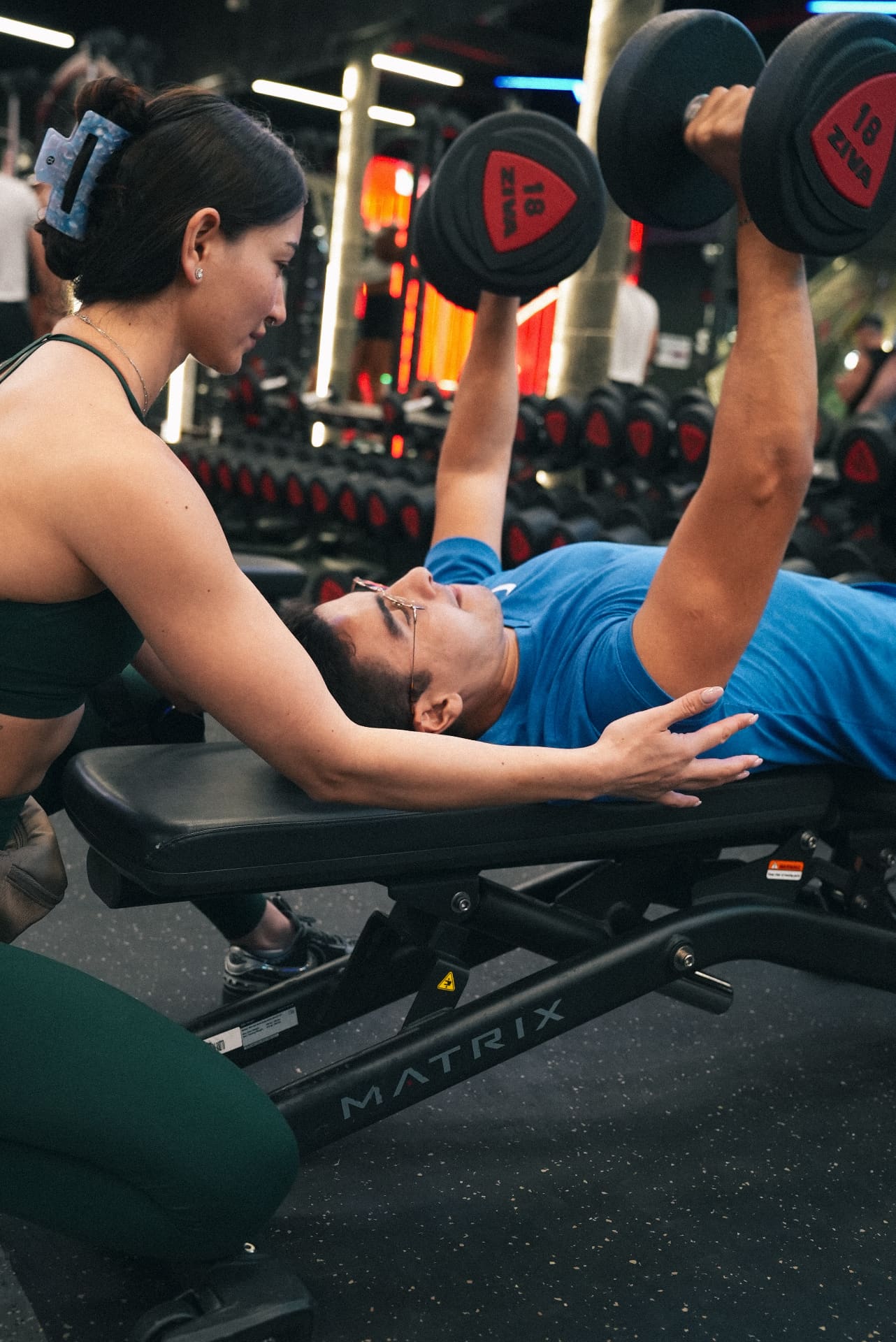
- Move all intensity indoors. Strength sessions, intervals and classes belong in air conditioning from May to September. Performance stays high and progress continues.
- Make summer your strength season. Muscle building needs no good weather. Clients who commit to a focused strength block through summer arrive at October visibly different.
- Keep outdoor work early and short. If you love outdoor cardio, it happens at 5:30am or it barely happens. Keep it easy, keep it brief.
- Walk indoors. Malls, treadmills and indoor tracks absorb your steps when the pavement cannot. Step count does not care where it happens.
- Guard your sleep. Late summer social nights plus heat is a recovery trap. The air-conditioned bedroom is a performance tool.
Hydration and electrolytes: the summer rules
| When | What to do |
|---|---|
| All day | Drink steadily, not in floods. Pale urine is the simple target. |
| Before training | Arrive hydrated: 500 ml in the two hours before. |
| During training | Roughly 500 to 750 ml per hour, more on heavy sweat days. |
| After training | Replace fluid and add electrolytes when the session was long or sweaty. |
Sodium matters as much as water in Dubai summer. Heavy sweaters who replace only water can feel flat, crampy and headachy even when drinking plenty. Our hydration and electrolytes guide and Dubai heat water guide go deeper.
Summer mistakes to avoid
- Trying to keep outdoor running pace from April. The heat tax is real; chasing old numbers in July only breeds frustration.
- Using sweat as a measure of workout quality. You sweat because it is hot, not because the session was good.
- Skipping sessions because the beach body deadline passed. Summer is when next year's shape is built.
- Training hard outdoors at midday because the gym feels like a waste of good weather. It is not good weather. It is 45 degrees.
How we run summer at Project Reshape
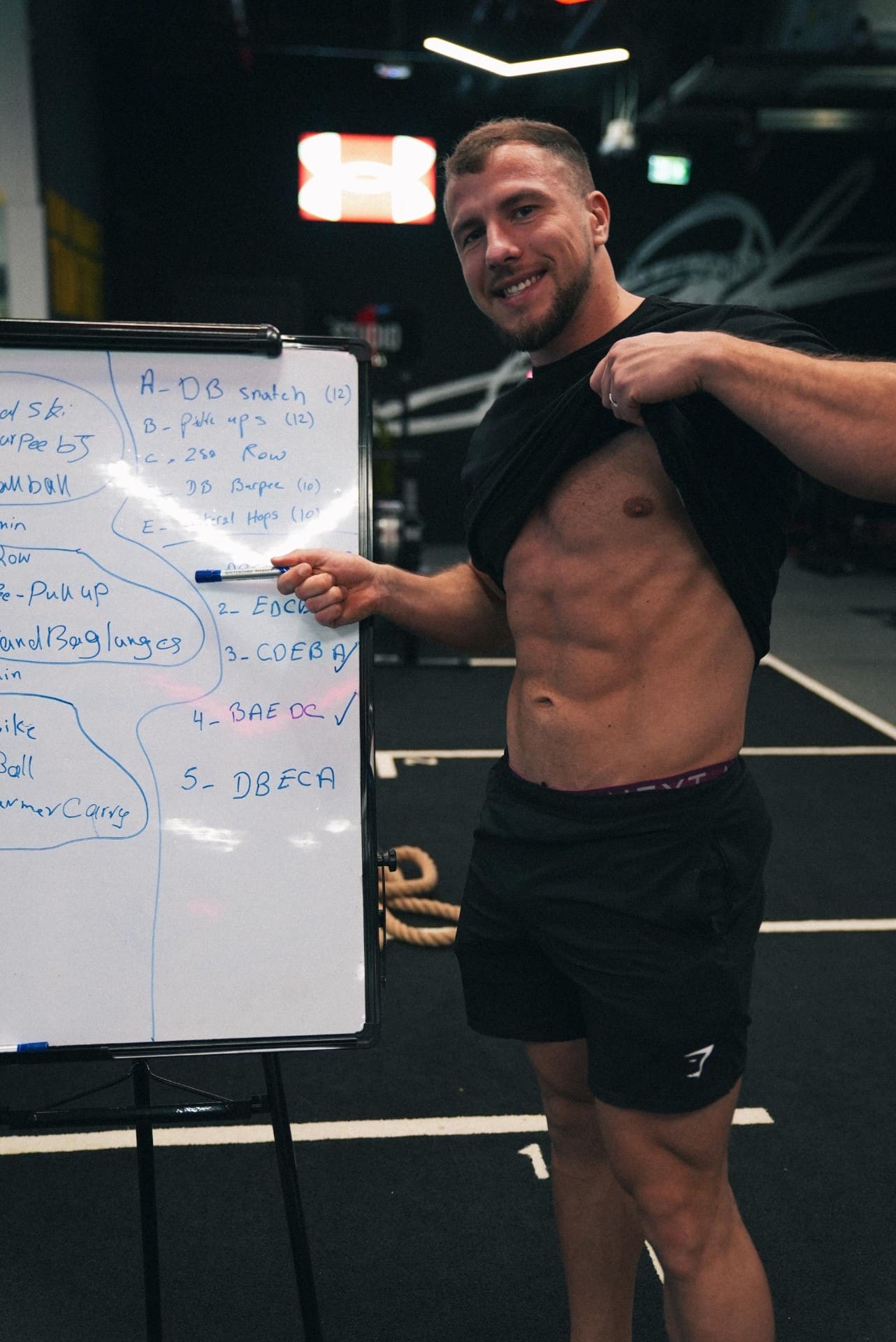
Our clients train indoors all summer at air-conditioned partner venues including The Locker in Al Quoz, Wasl 51 on Al Wasl Road, 51 Gym at City Walk and Train SF in Downtown Dubai and Al Quoz, or at home and building gyms. Programmes shift toward strength blocks, hydration guidance is built in, and travel weeks are planned around. Summer is a season we train through, not around.
Frequently asked questions
Should I train less during Dubai summer?
Not less, smarter. Move training indoors, shift intensity work to air-conditioned spaces, keep outdoor sessions to early morning, and expect performance in heat to dip. Strength training indoors is unaffected, so summer is actually a good season to build muscle.
Is it safe to exercise outdoors in 45 degrees?
For most healthy people, prolonged intense outdoor exercise in peak summer heat is unnecessarily risky and offers no extra benefit over training indoors. If you train outside, go early, keep it short, hydrate before and during, and stop immediately if you feel dizzy, nauseous or confused.
How much water should I drink when training in summer?
More than your thirst suggests. A practical baseline is to arrive hydrated, drink roughly 500 to 750 ml per hour of training, and replace electrolytes on heavy sweat days. Our hydration guide covers the details.
Does training in heat burn more fat?
No meaningful extra fat loss. You sweat more, which is water, not fat, and performance usually drops, which can reduce the quality of the session. Train where you can perform best. Fat loss comes from the programme and the kitchen, not the thermometer.
Next step
Want a programme that survives the summer? Book your complimentary assessment and tell us your area and preferred time. Bookings depend on coach availability.
Related reading: hydration and electrolytes in Dubai, how much water to drink in Dubai heat, training and nutrition through Ramadan.