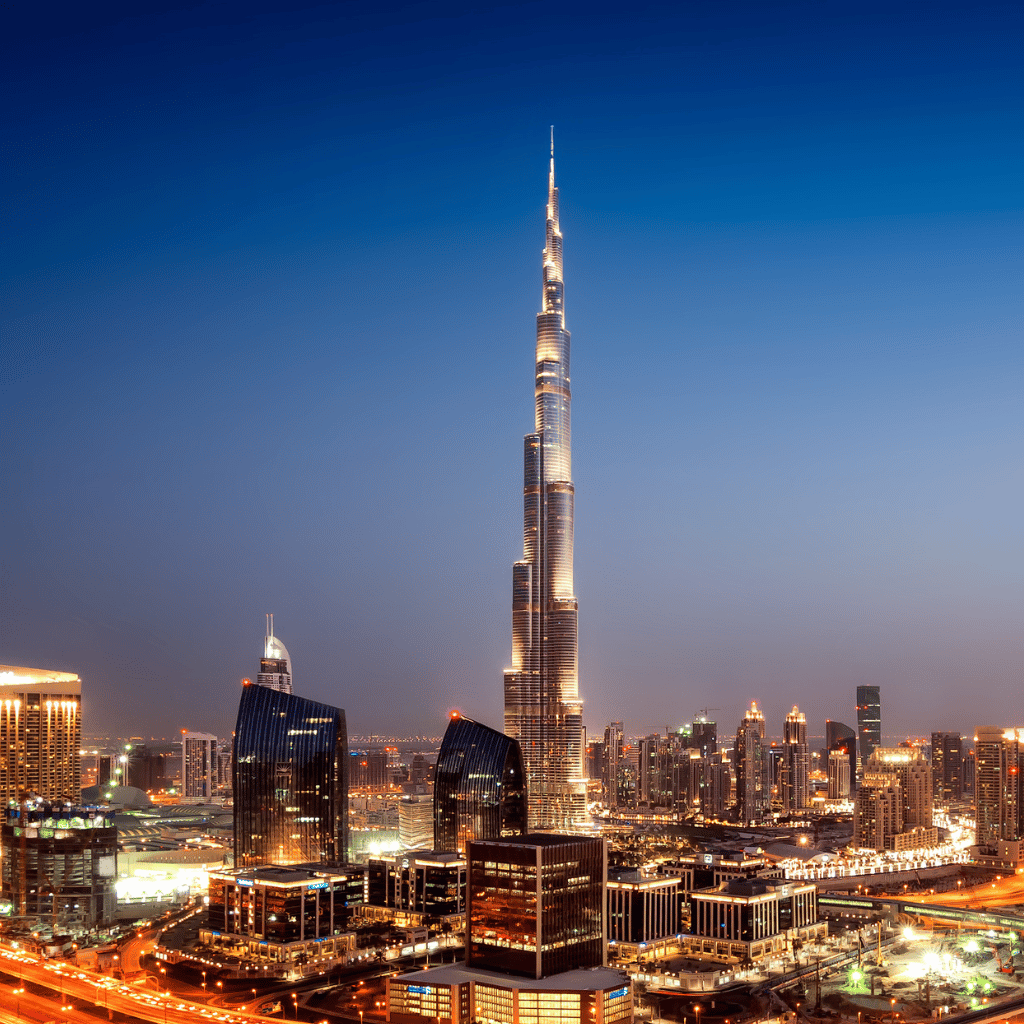
Hydration advice in fitness tends to sit somewhere between "drink eight glasses a day" and "drink when you're thirsty," neither of which is specific enough to be genuinely useful for someone training seriously in a city where summer temperatures regularly exceed 40 degrees and indoor gyms run air conditioning hard enough to dry you out just standing still. Here's what our coaches actually tell clients about hydration in Dubai's specific environment.
Short answer
- Your water needs in Dubai are significantly higher than generic recommendations
- Thirst is a delayed signal, not a reliable real-time guide
- Electrolytes matter as much as water volume during hard training
- Your urine colour is the most practical hydration check available
- Hydration before a session matters more than trying to catch up during it
1. Your water needs in Dubai are significantly higher than generic recommendations
The standard "two litres a day" guidance was not built for someone living and training in a desert climate. Between the heat, the air conditioning that strips moisture from indoor air, and the sweat losses from any meaningful training session, most active people in Dubai need considerably more than standard recommendations suggest, particularly on training days and during the summer months when even moving between buildings in the heat causes meaningful fluid loss.
2. Thirst is a delayed signal, not a reliable real-time guide
By the time you feel thirsty during a training session, you're already in a state of mild dehydration that's affecting your performance. Even small levels of dehydration, as little as one to two percent of body weight in fluid loss, are enough to reduce strength output, impair concentration, and make sessions feel significantly harder than they should. Waiting to drink until you're thirsty during a session means you're already behind.
3. Electrolytes matter as much as water volume during hard training
Sweat doesn't just contain water, it contains sodium, potassium, magnesium, and other electrolytes that play critical roles in muscle contraction, nerve function, and fluid retention. Drinking large amounts of plain water without replacing electrolytes can actually dilute the concentration of these minerals in your blood, which causes symptoms that feel like dehydration even when you've been drinking constantly. Coconut water, electrolyte tablets, or sodium-containing foods alongside your water intake address this properly.
4. Your urine colour is the most practical hydration check available
Pale straw yellow indicates good hydration. Dark yellow or amber means you need to drink more. Clear and colourless can actually suggest over-hydration if accompanied by frequent urination. Checking this first thing in the morning and periodically through a training day is the simplest, most accurate feedback loop available without any equipment, and our coaches recommend it to every client as a daily habit.
5. Hydration before a session matters more than trying to catch up during it
Going into a training session already well-hydrated means your body can manage the fluid losses of training without performance dropping. Trying to drink your way back to good hydration mid-session is always less effective than simply arriving hydrated. Our coaches recommend clients drink consistently through the day rather than attempting to front-load fluids in the hour before training, which tends to cause discomfort rather than improving performance.
Hydration is simple in principle and easy to get wrong in practice, especially in Dubai. Book a complimentary session with our coaches and let's make sure every variable, including this one, is working for your performance and your results.
Frequently asked questions
How much water should I drink in Dubai?
Most active adults in Dubai need noticeably more than the generic two litres. Three to four litres daily is a realistic starting range, adjusted for training volume and heat exposure.
Do I need electrolytes when training in Dubai?
During hard or long sessions in heat, yes. Sodium, potassium and magnesium lost through sweat need replacing, and water alone can leave you flat.
How do I know if I am hydrated?
Urine colour is the most practical check. Pale straw is the target, and darker than that means you are behind.
Should I drink before or during training?
Both, but arriving hydrated matters most. Trying to catch up during a session rarely works and can leave you uncomfortable while lifting.
Train with a Project Reshape coach in Dubai
- Free consultation: project-reshape.com/contact
- Private training at our Dubai studios: private coaching.
- Related reading: staying fit when you travel, ramadan training nutrition, stress making fat loss harder.