If you're training consistently, eating reasonably well, and still not seeing the fat loss you'd expect, stress might be doing more damage than you realise. This isn't a vague wellness claim. There are clear, well-documented physiological mechanisms through which chronic stress actively works against fat loss, and in a city like Dubai where high-pressure careers, long hours, and an always-on culture are the norm, this is one of the most commonly missed variables our coaches find when a client's results don't match their effort.
Short answer
- Cortisol tells your body to store fat, not burn it
- Stress drives cravings for exactly the foods that make fat loss harder
- Hard training on top of high stress can make fat loss slower, not faster
- Sleep deprivation from stress compounds every other problem
- The practical answer is managing recovery as seriously as training
1. Cortisol tells your body to store fat, not burn it
When you're under sustained stress, your body produces elevated levels of cortisol, the primary stress hormone. Cortisol signals the body to hold onto fat stores as a survival mechanism, prioritising energy conservation over fat burning. It particularly drives fat storage around the midsection, which is why chronically stressed people often carry weight specifically in the abdominal area even when overall body weight isn't dramatically high. A calorie deficit works against this, but it cannot fully override a chronically elevated cortisol environment.
2. Stress drives cravings for exactly the foods that make fat loss harder
Cortisol directly increases appetite and specifically amplifies cravings for calorie-dense, high-sugar, high-fat foods. This isn't a willpower failure, it's a hormonal one. The client who eats well all week and then loses control on Thursday evening after a brutal day at work isn't lacking discipline, they're experiencing a cortisol-driven physiological response that makes high-calorie food feel genuinely urgent. Understanding this changes the approach from "try harder" to "manage the stress better."
3. Hard training on top of high stress can make fat loss slower, not faster
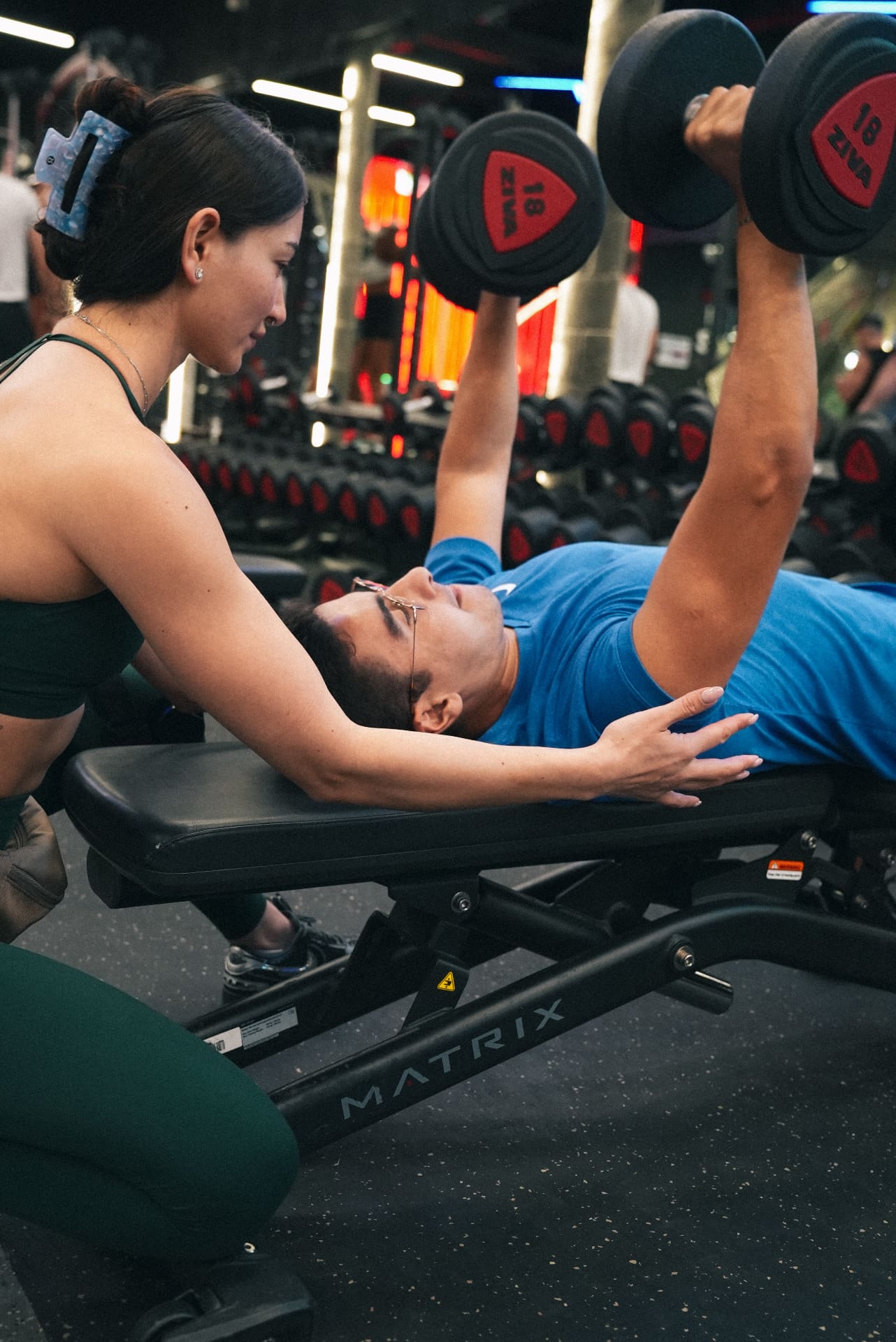
This is the counterintuitive one that surprises clients most. Training is itself a stressor, and when it's piled on top of an already maxed-out stress load, the total cortisol burden can exceed what the body can properly recover from. The result is a client who is training hard, not recovering adequately, experiencing elevated inflammation, and wondering why their results are stuck. Sometimes reducing training volume and improving recovery actually moves the needle faster than adding more sessions.
4. Sleep deprivation from stress compounds every other problem
Stress disrupts sleep, and poor sleep raises cortisol further, creating a cycle that's genuinely hard to break from the training and nutrition side alone. Two clients on identical programmes, one sleeping seven to eight hours and one sleeping five, will get dramatically different results over six to eight weeks. The sleep-deprived client is fighting against a hormonal environment that's actively working against everything the programme is trying to achieve.
5. The practical answer is managing recovery as seriously as training
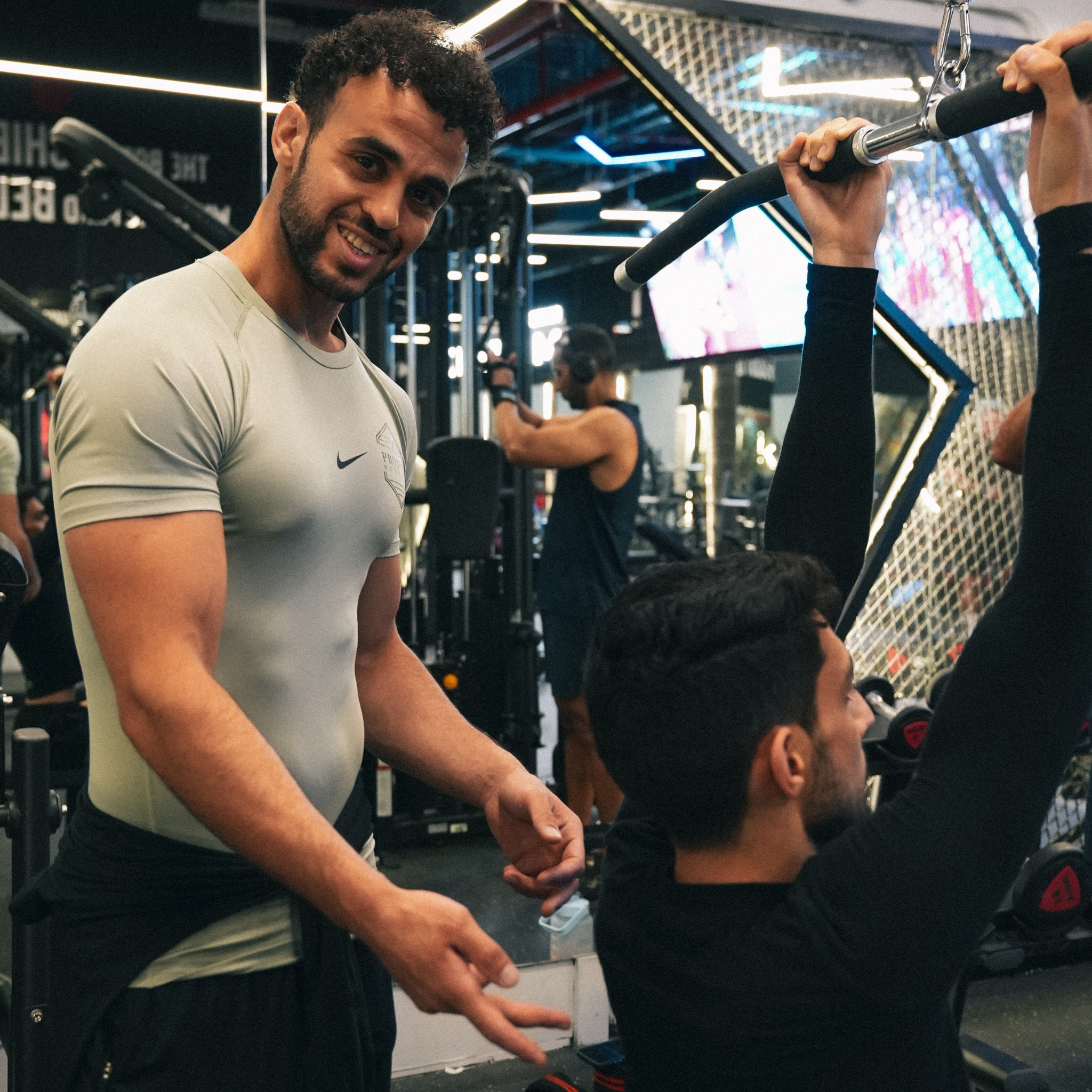
Our coaches approach this by building recovery into the programme, not as a soft suggestion but as a structural element. This means scheduled deload weeks, sleep targets as part of the weekly check-in, and honest conversations about whether training volume is appropriate for the client's actual life, not their ideal life. For clients with genuinely high stress loads, sometimes the most powerful coaching intervention is reducing session frequency and improving the quality of everything that happens outside the gym.
Stress is a real physiological barrier to fat loss, not an excuse. Treating it seriously is part of what makes coaching at Project Reshape different. Book a complimentary consultation and let's look at the full picture, not just the gym side.
Frequently asked questions
Does stress really stop fat loss?
Chronically elevated cortisol promotes fat storage, especially around the midsection, increases appetite and disrupts sleep. It makes a deficit harder to hold and slower to show.
Can training too hard make fat loss worse?
Yes. Training is a stressor. Stacked on an already high stress life, the total load can exceed what you recover from, and results stall despite more effort.
What should I do if I am stressed and stuck?
Reduce training volume slightly, prioritise sleep, add deload weeks and treat recovery as a programmed element rather than an afterthought.
How much does sleep matter for fat loss?
Enormously. Two clients on identical programmes sleeping five versus eight hours get very different results across six to eight weeks.
Train with a Project Reshape coach in Dubai
- Free consultation: project-reshape.com/contact
- Private training at our Dubai studios: private coaching.
- Related reading: hormones affect weight loss, executive fat loss short workouts, ceo burnout five physical signs.