Dubai is one of the best cities in the world for quick fixes. Six-week shreds, 21-day challenges, detox programmes that promise a new body before the season changes. And they sell well, because the pitch is appealing and the before-and-after photos look convincing.
The problem our coaches see, over and over again, is that the people doing these programmes are the same people who come to us six months later, having put everything back on and then some. Here's why sustainable coaching consistently outperforms every quick fix on the market, and why that gap only gets wider over time.
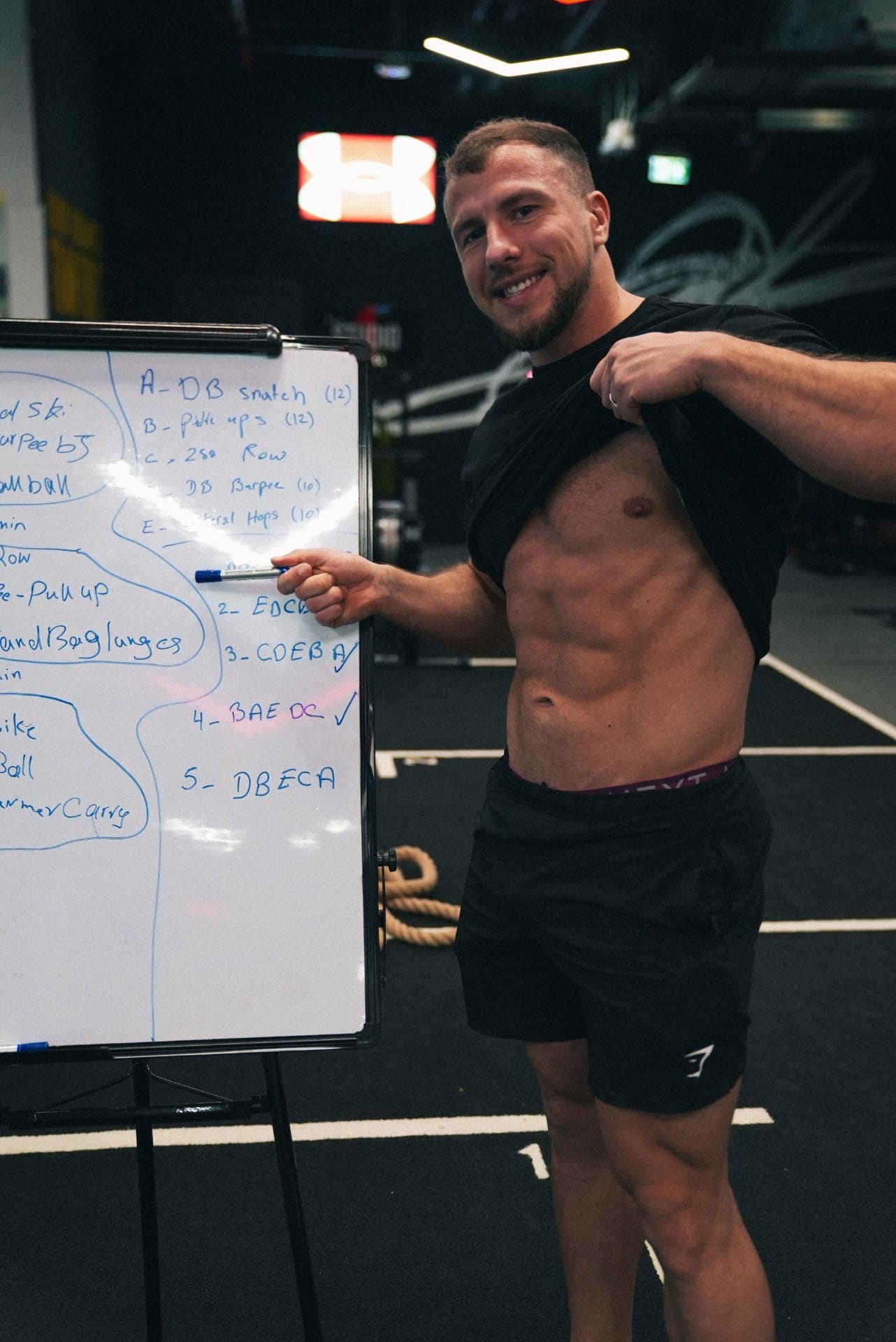
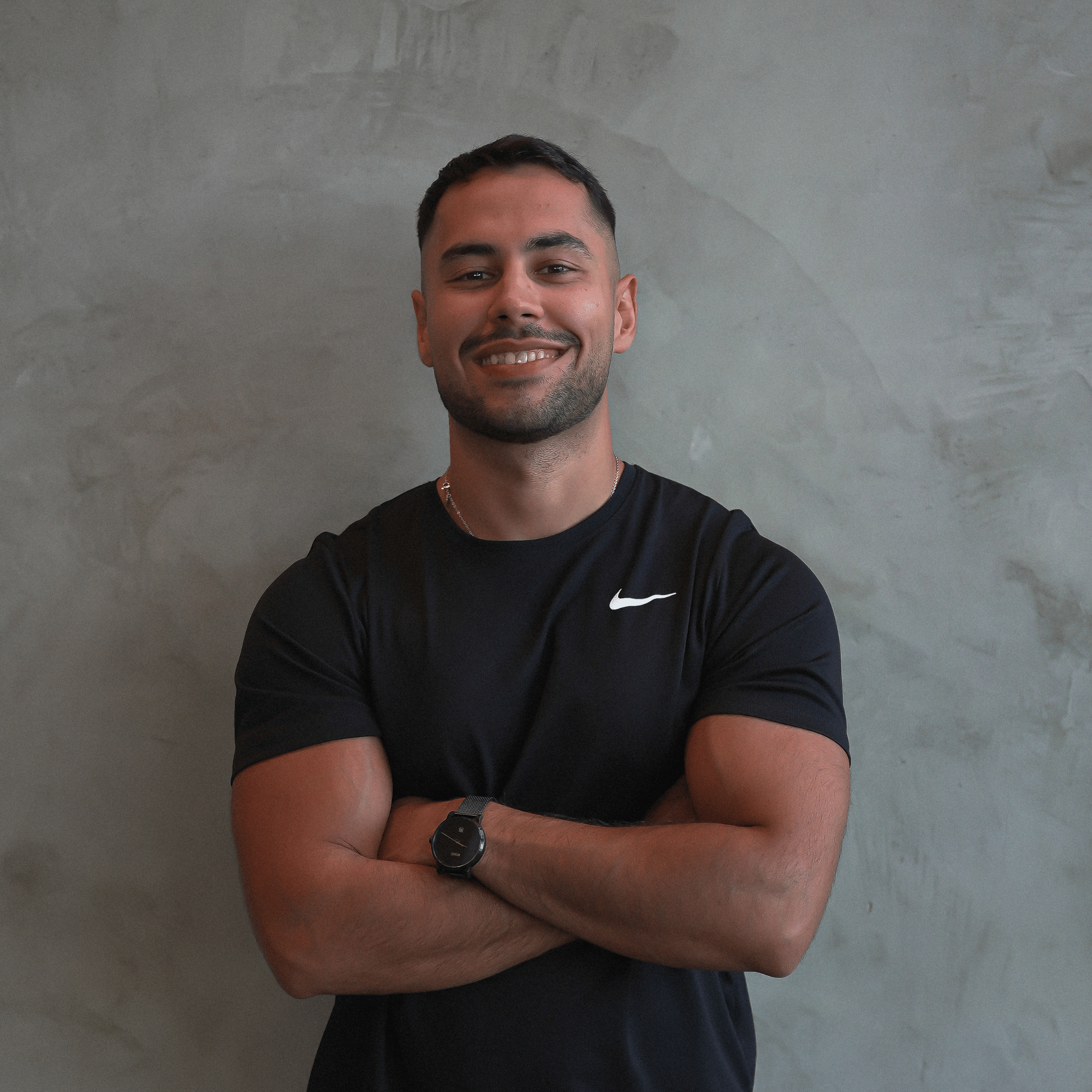
Image alt text suggestion: "Long-term Project Reshape client showing sustained body transformation results after 12 months of coaching in Dubai."
1. Quick fixes are designed to produce a result, not a habit
A six-week programme is engineered to deliver a dramatic change in six weeks, not to leave you with the knowledge, habits or physical foundation to maintain it. The moment the programme ends and the structure disappears, most people revert entirely, because nothing about how they actually live has changed.
Sustainable coaching works differently. The goal from day one is to make the new behaviour permanent, not impressive for a photoshoot.
2. Extreme calorie restriction works against your body long term
Most quick-fix plans rely on cutting calories far harder than what's sustainable, which produces rapid early weight loss that's mostly water and muscle, not just fat.
Losing muscle drops your metabolic rate, meaning your body now burns fewer calories at rest than before you started. The result: the same amount of food that maintained your weight before the programme now causes weight gain after it.
Our coaches build deficits that are real but sustainable, specifically to protect muscle and metabolic rate throughout.
Quick fix vs sustainable coaching, the outcomes
| 6-week quick fix | Sustainable coaching | |
|---|---|---|
| Fat vs muscle lost | 50/50 (rough average) | 85% fat, 15% water |
| Metabolic rate after | Lower than baseline | Same or higher |
| Weight after 6 months | Usually heavier than start | Same or leaner |
| Habit change | None | Foundational |
| Relationship with food | Restrictive / binary | Flexible / educated |
3. Coaching adapts. Programmes don't.
A downloaded plan or a group challenge has no way of knowing that you had a brutal work week, that your sleep has been poor, that you're travelling next month, or that you hit a plateau three weeks in.
A coach does, and adjusts accordingly. This is the practical difference between a plan that works on paper and results that actually show up in real life over real months.
4. Your mental relationship with food matters as much as the physical
Quick-fix culture tends to create an all-or-nothing mindset, either you're on the programme or you've failed it. This binary thinking is one of the biggest reasons people cycle through the same five kilos year after year.
Sustainable coaching builds a completely different relationship with training and nutrition: a heavy social week or a missed session is just data, not failure, and the plan keeps moving regardless.
5. Sustainable results compound over time
A client who builds real habits, protects their muscle and genuinely changes how they eat and train doesn't just maintain their results, they keep improving beyond them.
The clients who've been with Project Reshape for 12 months look dramatically different from where they were at 12 weeks, because sustainable progress stacks in a way that a six-week shred never could. The quick fix has a ceiling. Proper coaching doesn't.
Every quick-fix client we meet has one thing in common: they've done more programmes than they can count. The real question isn't how fast can I lose it, it's how do I stop starting over.
Featured snippet: why quick-fix diets fail
- They burn muscle alongside fat
- They lower your resting metabolic rate
- They don't change your daily habits
- They create an all-or-nothing mindset
- They rebound within 3 to 6 months
Frequently asked questions
Why do quick-fix weight loss plans fail in Dubai?
Quick-fix plans are engineered for a six-week photograph, not a permanent change. They rely on extreme calorie restriction that burns muscle alongside fat, drops your metabolic rate and leaves you heavier a few months later than when you started.
How long does sustainable body transformation actually take?
A realistic sustainable transformation takes 12 to 24 weeks for a visible physique change, and 6 to 12 months to fully lock in the habits, strength and metabolic health that keep the result in place.
Can you lose weight fast without losing muscle?
Only within limits. A controlled deficit of roughly 0.5% to 1% of bodyweight per week, combined with high protein and heavy resistance training, protects muscle. Anything more aggressive than that starts costing you lean tissue.
What is the difference between quick-fix and sustainable coaching?
Quick-fix delivers a short-term result and disappears. Sustainable coaching builds the habits, education and physical foundation to maintain and improve on the result long after the programme ends.
Why do people regain weight after detox programmes?
Detoxes produce mostly water and glycogen loss with no habit change. Once normal eating resumes, weight returns quickly, usually with a small addition, because muscle was lost and metabolic rate dropped during the programme.
Is Project Reshape's coaching sustainable?
Yes. Our entire methodology is built around permanent behaviour change, calorie deficits that protect muscle, adaptive programming, weekly coaching and education so clients understand exactly why the plan works and how to maintain it.
Stop starting over, build something that lasts
If you've done the programmes before and you're done starting over, book a complimentary consultation with our team and let's build something that actually lasts this time.
- Free consultation: project-reshape.com/contact
- Book a transformation assessment at our private Dubai studio.
- WhatsApp our team for a faster reply during UAE hours.
- Related reading: why Dubai transformations fail at week 6, realistic 12-week results, and weight loss coaching in Dubai.